Showing posts with label Tokyo. Show all posts

Thursday, May 12, 2016

YAKINIKU JUMBO

PCasa GT Tokyo, Yakniku Jumbo
On our last evening in Tokyo, we ventured out to Shirokane in the southern end of Minato for an early dinner at Yakiniku Jumbo.  This yakiniku (grilled meat) restaurant only serves A5 Black Wagyu which is the highest quality of Japanese beef.  The place is simply decorated with wooden booths and tables with a built-in grill in the center.  Reservations are recommended as the place fills up quickly as soon as they open at 5:00 p.m. and tables are allocated every two hours so we were gently ushered out at 6:30 so they could reset for the next batch of diners.
Different cuts are available on the menu from traditional cuts like short-plate kalbi and the loin to higher-priced prime cuts like shoulder and rib-eye plus sirloin which is only served in extra thin sukiyaki slices and served with a raw egg dip.  There's also a large selection of offal: beef tongue, intestine and stomach as well as pork womb (not really sure what that is) along with the more usual pork cheek and pork loin.  Specialties include Korean-style beef tartare and raw beef heart sashimi.  A few salads, kimchi and some vegetables (pumpkin, squash, sweet potato, mushroom, onion, carrot and shishito pepper) to be cooked on the grill is all there is for vegetarians.  Aside from steamed rice in small (individual), to medium or large (family-size) portions, they have two special rice dishes cooked in hot stone bowl: the traditional bibimbap topped with vegetables and a raw egg or the unusual Wagyu garlic rice version which is topped with a mound hand-chopped raw Wagyu beef and raw garlic which is mixed into the hot rice and continues to cook in the super hot stone bowl sort of like an instant extra-delicious premium fried rice.  Desserts are limited to Hokkaido soft-serve milk flavored ice cream or sherbet.
We  ordered both beef and pork, a green salad of lettuce in a sesame soy dressing, assorted vegetables and both the bibimbap and the Wagyu garlic rice.  The meat was melt-in-the-mouth tender with the marbled fat making every mouthful a pleasure.  The kids enjoyed it as well as we did and we ended up ordering more meat as the first plates went by way quicker than we expected.  Our server was a friendly California-raised Japanese surfer dude, making it the only meal we had in Tokyo where we could communicate easily with the person assigned to our table.  After a fantastic meal, we skipped dessert and instead took a short walk along the pedestrian street of the quiet residential area of Shirokane before heading back to the hotel.  Out of all our meals in Japan, yakiniku was the one that appealed to the whole family even if they only served one type of food: meat on the grill.  My Argentine husband got his meat fix and the kids and I all enjoyed the simple dinner of quality grilled meat and rice.  Looks like they have a partner restaurant in Singapore Yakiniku Yazawa which we are now eager to try for our Sunday family dinner out.
_____________________________
Dai-ichi Azabu Bldg. 1F, 3-1-1 Shirokane, Minato-ku, Tokyo
Tel. 03-5795-4129
Open daily 5:00 p.m. to midnight (Closed 31 December to 2 January)

Monday, May 09, 2016

GINZA BAIRIN

PCasa GT Tokyo, Ginza Bairin
Ginza Bairin is one of Japan's most well-known tonkatsu specialty restaurants with five branches in Japan and almost a dozen overseas locations in Shanghai, Seoul, Singapore, Manila and even in Hawaii.  When we showed the taxi driver the address for the Ginza branch, he smiled and said "Oh, you'll be having good tonkatsu tonight.".
Ginza Bairin does one thing only and that is tonkatsu -  Kurobuta (Berkshire pig) plus prawn cutlets and extra-large prawns coated in panko and deep-fried to perfection.  The menus consist of tonkatsu sets that come with unlimited steamed rice, cabbage salad, pickled vegetables and miso soup.  The place is like a Japanese diner with a long wooden counter running the length of the restaurant plus a few small tables at the back.  Tables are set with just chopsticks, the laminated menu and a small tray of homemade tonkatsu sauce in sweet and spicy versions, extra spicy Japanese mustard and chili flakes. 
Ginza Bairin opens all-day every day (except for new year's day) from 11:30 a.m. till just 8:45 p.m. so you need to get there early for dinner.  The restaurant facade is unobtrusive with no English sign and is located just off Ginza's main drag.  If not for the ubiquitous window display of plastic tonkatsu food variations right by the entrance, we would have missed it.  It showcases tonkatsu sandwiches (crispy deep-fried pork cutlet sandwiched on soft white crustless bread) to curry katsu (tonkatsu covered in a gravy like Japanese curry sauce) along with the other versions of tonkatsu meals. 
We all chose the tonkatsu set -crisp and not oily panko-coated kurobuta pork loin plus a side order of prawn katsu to share. The only thing we didn't realize was that the restaurant only takes cash so after dinner, my husband and son rushed  off to a nearby ATM while my daughter and I waited for them to get back.  (My daughter didn't mind the wait as she had her first encounter with a pink dialing pay phone and I had to explain to her how it worked).  Dinner was a hit as the kids love tonkatsu and even if that was the only thing Ginza Bairin served, they do such  good job that we enjoyed it thoroughly.  Our taxi driver was absolutely right.
IMG_6622
___________________________
7-8-1, Ginza, Chuo-ku, Tokyo, 104-0061
Daily 11:30 am till 8:45 pm (except January 1st)
Cash payment only
Contact: t.ohyabu@ginzabairin.co.jp

Friday, May 06, 2016

BAREBURGER

PCasa GT Tokyo, Bareburger
I know, I know - we're in Tokyo so why are we eating hamburgers?  Well, like I mentioned in the previous post, Japanese restaurants have a tendency to serve one thing and one thing only and after several days where everyone had to agree to one-dish meals, I started googling burgers in Tokyo and found Bareburger Ginza which had just opened the day before (31 March 2016) at the brand-spanking new Tokyo Plaza Ginza department store which was conveniently located a few minutes walk from our hotel in Shiodome.
Bareburger Organic opened its first outlet in 2009 in Astoria, Queens and now has 28 locations mostly in New York but with a few scattered in Connecticut, New Jersey, Philadelphia, Ohio, Washington DC.  Its' first overseas franchise was in Tokyo with Dubai and Frankfurt opening soon.   Voted by Zagat as New York's best burger and Michelin-recommended for four years in a row (2011-2014), Bareburger has a lot to live up for since they use only free-range, pasture-grazed, humanely raised and antibiotic, gluten and hormone-free beef and chicken.  Even the beverages are organic and the french fries are cooked in non-GMO Canola oil.
The menu has Bare "burgers and wiches", from¥1380/US$13 for the Buttermilk Buffalo Chicken Sandwich to ¥2980/US$28 for the Tomorrow Burger - a limited Tokyo special of Ozaki (Wagyu) beef tenderloin burger .  For vegetarians, there's The Shroom, a wild mushroom patty with alfalfa and balsamic mayo wrapped in kale.  There are also Greens (salads) and Bare shares which have side or share portions of french fries, sweet fries (sweet potato), onion rings and buttermilk chicken bites plus a couple of sliders.  They have a kid's menu called Cubby Fare (¥880/ US$8.50) - a choice of Panda (buttermilk chicken bites and buttermilk ranch dip) or a Grizzly (burger with Egmont cheese on a brioche) served with fries, dessert and organic juices (orange and apple) or organic milk.  They also have house-made natural soda, lemonade, iced tea and creamy milkshakes and a large selection on organic wines and spirits, organic craft beers and cocktails.  Desserts are ice cream sundaes: either the banana foster or the choco-peanut butter. 
On both visits, once for dinner and another to indulge the C's Grizzly craving, we enjoyed the food and the atmosphere plus the super friendly service and English-speaking (a challenge in Japan) staff.  We enjoyed the Buck Wild - burger with pimento, fried egg, crispy onions, dill pickles on a brioche bun) and the Supreme - burger with Egmont cheese, country bacon, green-leaf, chopped fried, special sauce on a birch bun topped with house-made onion rings.  We shared the fries and rings combo and the buttermilk chicken bites with classic lemonades and a creamy chocolate milkshake served in tall ice-cold aluminum cup.  The experience was all-American and guilt-free because of the organic and non-GMO ingredients they use making it one of our best meals in Tokyo.  Wonder when they'll open one in Singapore?  Soon, I hope.
IMG_6479
____________________________
Tokyo Plaza Ginza 10-B (10th floor), 5-2-1 Ginza, Chuo-Ku, Tokyo 104-0061
Telephone: +81 3 3572 5315
Open daily, 11:00AM to 11:00PM (Last Order 10:00PM)

Thursday, May 05, 2016

SHABUSEN

PCasa GT Tokyo, Shabuzen
One of the best things about dining in Japan is that restaurants are so specialized that they serve only one type of food which is done perfectly.  One of the worst things about dining in Japan is that restaurants are so specialized that they serve only one type of food and so everyone has to agree to eat the same thing.  On one of our first evenings in Tokyo, we decided to do just that at a traditional shabu-shabu restaurant.  It took a while to convince our youngest, C, to commit to just shabu-shabu and not have tempura or tonkatsu (her favorite Japanese food).
There are two Shabusen restaurants at the Ginza Core building - one on B2 and another on the 2nd floor.  Both serve the same shabu-shabu except that upstairs, there are operate tables where diners can sit together and share the shbau-shabu per table, while the basement outlet has three u-shaped counters where each seat has it's own shabu-shabu pot so it's good for those dining alone or those who'd rather not share their dinner.
We went to the one in the basement and sat alongside each other in the middle counter.  Each place setting had a pot right in front of the seat.  The menu is limited with sets including beef, pork, a combination of beef and pork, Wagyu beef, or special pork from Hokkaido.  They also serve sukiyaki which is similar to shabu-shabu except that the meat, vegetables and noodles are already cooked in a sweeter and saltier broth which then takes the fun out of the full-on shabu-shabu cooking experience.
 Two servers are in-charge of around 20 diners per counter.  They do everything from pouring tea and serving drinks to setting the plates of thinly-sliced meat with a side portion of vegetables (Chinese cabbage, mushrooms,  tofu and some bean thread noodles) and two sauces: goma and ponzu.  They also check that the broth isn't bubbling over or that the sauce bottles are still full of ponzu or goma.  
We started out with a cold egg custard topped with mayonnaise, cucumber and asparagus.  Soon after, the meat was served and it's D.I.Y. cooking from there.  The very thin slices of meat are dipped quickly in the light kombu-based broth then fished it out and dipped again in either the citrusy soy-sauce ponzu or  the creamier sesame-mayonnaise goma alternating between slices of meat and vegetable and mouthfuls of steamed rice.  You can personalize your dipping sauces by adding what you like from the trays set on the counter: spring onions, garlic and chili oil.    They say that the name shabu-shabu comes from the swishing sound of the meat stirred into the bubbling broth. Once you've finished the meat and vegetables, the servers come around and add noodles to the now flavorful bubbling broth and serve you a small bowl of ramen to finish of your meal.  Simple, satisfying and light.  Just remember that if you have big appetite, you might have to order an extra portion of meat (like my son did).
_____________________________
Shabusen Ginza
〒104-0061 Tokyo, Chuo, Ginza, 5 Chome−8−20 (Ginza Core Building)
Phone:+81 3 3571 1717 (B2) or  +81 3 3572 3806 (2F)
Open daily,  11:30AM–2:30PM and 5:30–10PM

Wednesday, May 04, 2016

TOKYO

PCasa GT Tokyo, Sights
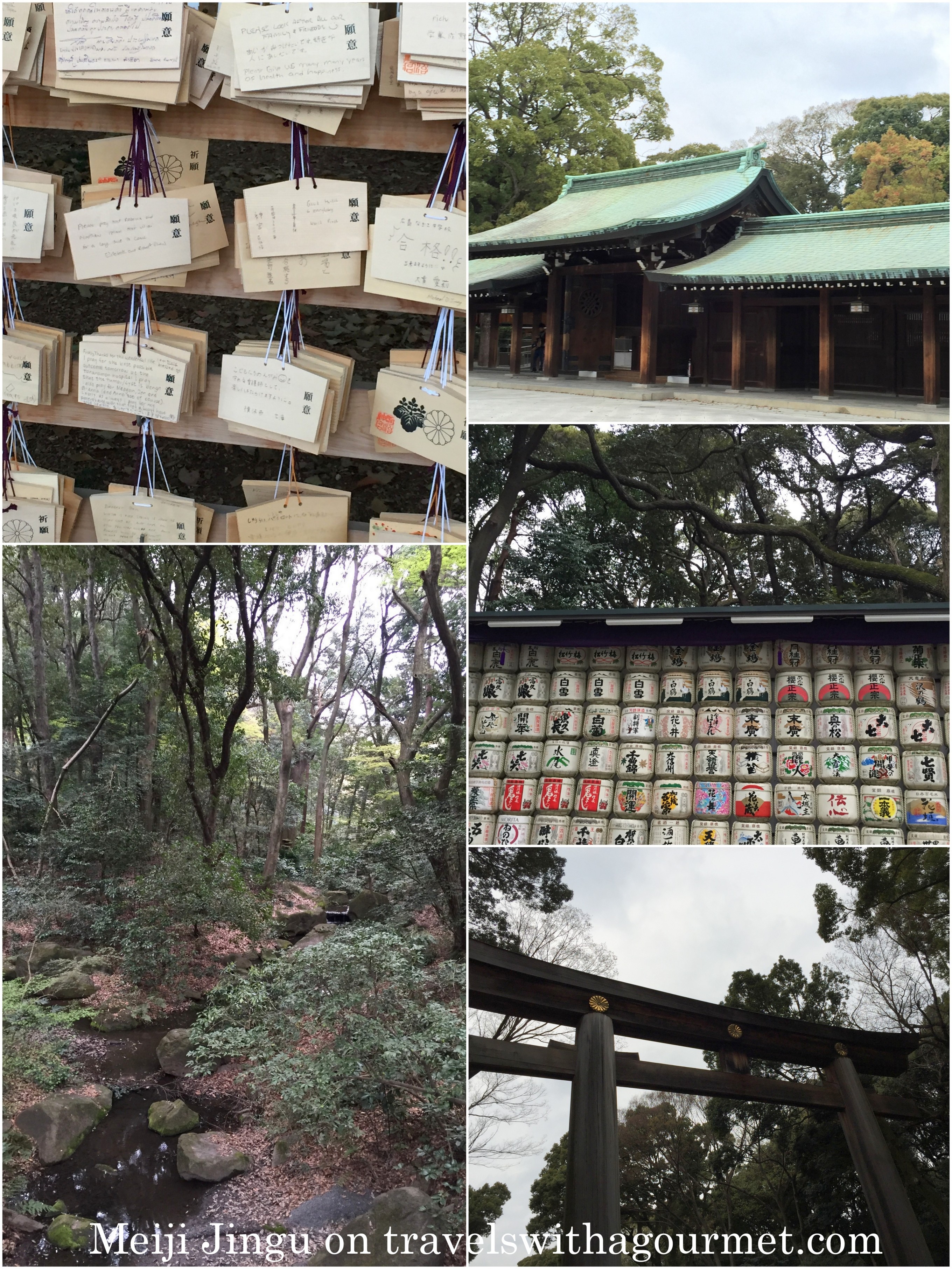
Tokyo is my second favorite city after Paris and it's because the Japanese are the most similar to the French in their love of gastronomy and beauty, from the beautifully presented food in individual dishes or lacquered bento boxes to the intricately-wrapped packages in the boutiques and food shops.  When I was at Le Cordon Bleu, it was always my Japanese classmates who perfected the pastry pratique as they were naturals at recreating the glazing and decoration on the gateaux et patisserie.  Their attention to detail is present in their day-to-day lives and this is seen everywhere in Japan.
I had been to Tokyo for the first time in 2014 and explored the city on foot with my friend Rumi.  This time around, we chose to spend a week over the easter holidays with the kids to experience Tokyo during Sakura season (cherry blossom time).  Spring in Tokyo is usually rainy but mild and it was a nice change of weather from tropical Singapore.
PCasa GT Tokyo, Sights1
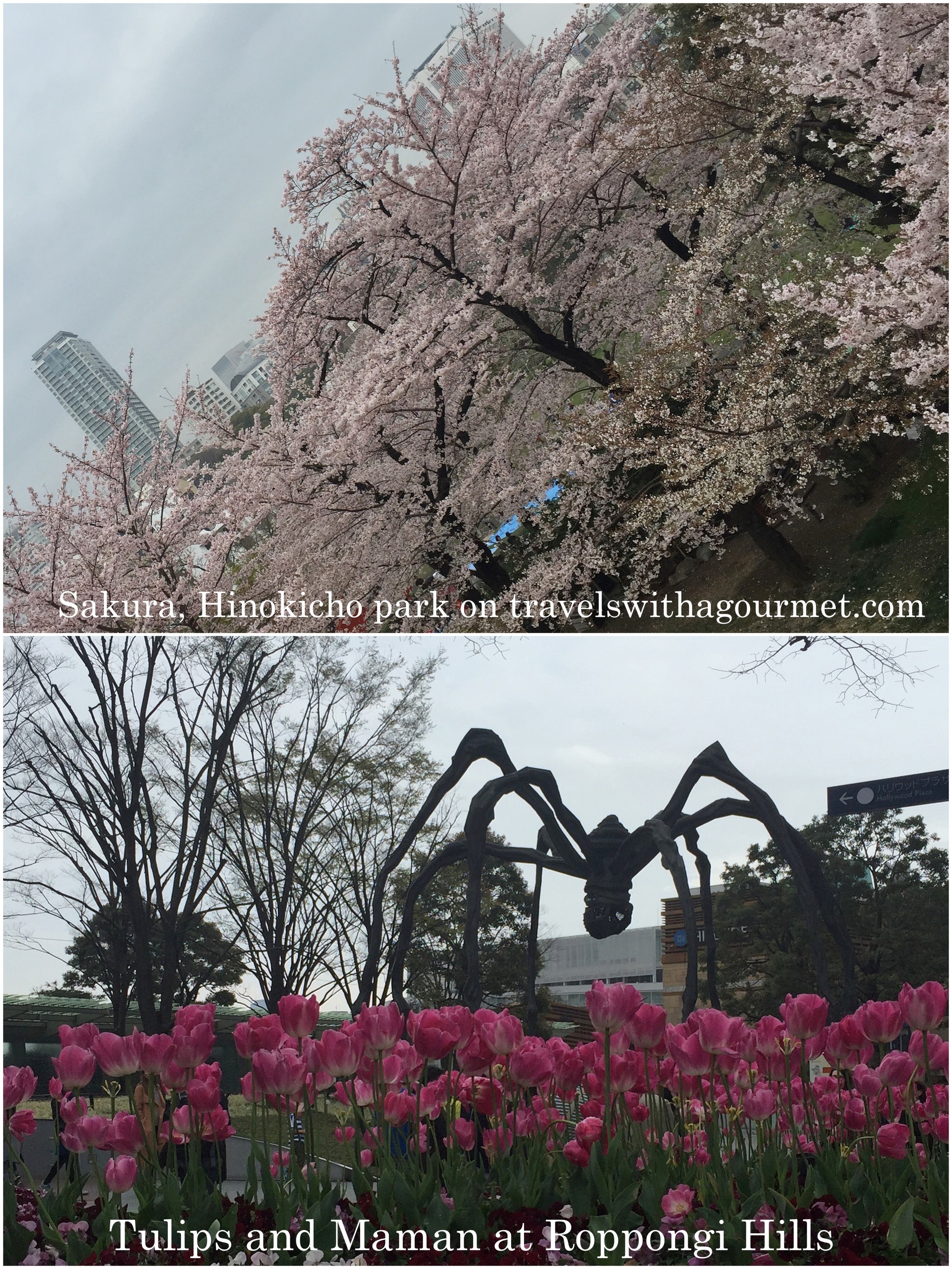
We walked all over the city from  Ginza for shopping and eating to admiring the architecture and window displays in Omotesando Hills.  We went to Midtown and walked around the beautiful green oasis of Hinokicho park where we saw our first cherry blossoms then headed over to nearby bustling Roppongi.  We also visited the peaceful Shinto shrine  Meiji Jingu located in the middle of a 100,000 tree forest near Harajuku and Omotesando.
PCasa GT Tokyo, Sights3
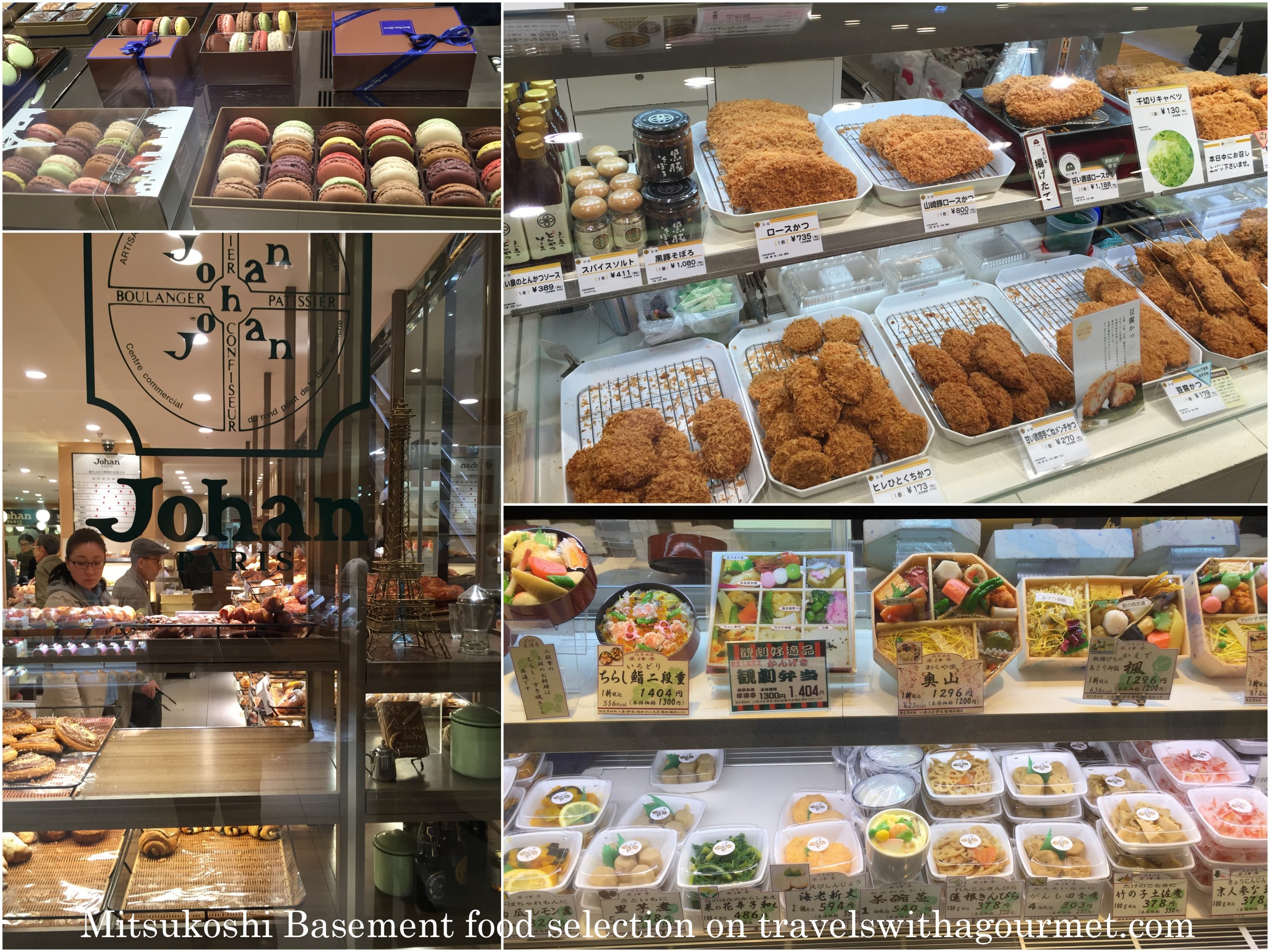
We also explored the basement food halls of department stores Matsuya and Mitsukoshi in Ginza which had an amazing selection of both local and imported food for takeaway.  Despite having spent a week in Tokyo, I still felt that we had only scratched the surface on what the city had to offer in gastronomic treats which just means that I'll be gong back sooner rather than later.
__________________________
Meiji Jingu
1-1 Yoyogi-Kamizono-cho,
Shibuya-ku,
Tokyo 151-8857
*Open daily from sunrise to sunset (opening and closing times change depending on the season)

Sunday, October 05, 2014

ROPPONGI HILLS


My last Tokyo post is all about a whole day in Roppongi Hills, the so-called city within a city of modern skyscrapers, high-end hotels, luxury shops, green spaces, world-class museums, numerous bars and night clubs and lively back streets.

My friend Rumi lived nearby so we decided to meet at the 45th floor lobby of the Ritz-Carlton Tokyo for a quick view of the city stretched out below.  We started our walking tour outside Tokyo Midtown where we walked around the park, over the bridge and the tiny brook and by the manicured green areas dotted with park benches to the concrete bunker 21_21 Design Sight off to one side.


From there, we walked several blocks away to the bustling area around Roppongi Hills where the Mori Art Museum and the Eiffel tower lookalike Tokyo Tower are located.  On the way there, we stopped for a takoyaki snack - Japan's street food.  Takoyaki are deep-fried flour balls made with octopus, tempura scraps, green onion and pickled ginger and topped with bonito flakes and Japanese mayonnaise.  Traditionally eaten as an after work bite along with a highball, a shot of whiskey topped up with ice cold soda water served in a large mug like a beer, Rumi knew that it wasn't the right time to eat the takoyaki but she and I decided we wouldn't be able to wait till sundown.  We split a highball and six takoyaki which were delicious and hit the spot for more wandering around the shopping mall nearby passing by the Mori and admiring Maman, Louise Bourgeois' humongous bronze spider sculpture.  We stopped afterwards at the beautiful terrace of The French Kitchen in the Grand Hyatt for a cold drink and some sunshine before walking back and trying to find a simple place for lunch nearby.


We finally stumbled on a small ramen place on a side street.  A vending machine greeted us at the entrance and Rumi dropped the appropriate coins for two bowls of hot ramen topped with roast pork and a medium boiled egg.  As soon as we sat at the counter, we surrendered our tickets to one of the ramen cooks and waited for our order and enjoyed the rhythm and blues music blasting in the restaurant.  I noticed that the place was packed with Japanese men again and we were the only ladies there (just like the other evening at the yakitori place)  and I asked Rumi why it was that Japanese women weren't often seen eating in traditional Japanese restaurants.  She explained that the ladies preferred more sophisticated Western food for lunch than casual Japanese fare.

The ramen noodle soup came with self-serve pitchers of iced tea and the usual condiments of chili oil and seaweed flakes.  We dug in and slurped like the locals and started to sweat from the hot soup and it was only then that we also noticed that all the men having ramen were eating cold ramen to stay cool on such a hot day.  We started to laugh because it seemed like we were in the sweltering American south listening to John Lee Hoooker while enjoying our hot soup and keeping our hair away from the broth.  We finished our ramen and on our way out, we laughed even harder as we realized there were paper bibs and elastic hair ties on top of the vending machine at the front to hold one's hair back from getting into the soup and cover one's clothes from the splatter.  Another dining culture experience shared with my foodie partner Rumi.

We walked lunch off and returned to Tokyo Midtown where we escaped the heat from the streets for a wander around the mall, looking into the Umami boutique (a shop selling umami flavored everything from crackers to sauces to nuts), Toraya (the traditional Japanese tea cake place) and for a quick espresso at Dean and Deluca.


After that, it was a short walk through Hinokicho park to Rumi's neighborhood in Akasaka where we put our feet up and relaxed before heading out to a Yakiniku (Japanese table barbecue) dinner nearby - again filled with Japanese businessmen.  I don't know how we managed to eat several platters of beef and offal with a large green salad tossed in a sesame dressing.  We were both so full that Rumi insisted we go to the local pharmacy for a tiny bottle of an herbal concoction that Japanese drink the night of food or alcohol excess to avoid indigestion and a hangover.  We downed them right then and there while the pharmacist watched us in amusement.  It didn't taste bad, jut like a shot of herbal liqueur without the alcohol.   It was a fun-filled, food-centered, non-stop walking day which gave me a chance to explore a part of town on foot and enjoy the city quirks with a Tokyo native.

_____________________________
Tokyo Midtown

Tokyo Midtown Design Hub

Roppongi Hills

Mori Art Museum

National Art Center Tokyo

Suntory Museum of Art

Tokyo Tower

Saturday, October 04, 2014

YOSHIMATSU


After a morning spent shopping for children's presents at Hakuhinkan Toy Park, Tokyo's version of Toys'R'Us, Rumi and I were escorted by the shop's owner to his favorite tempura restaurants a few blocks away.  Just off Ginza, in a back alley was an unmarked sliding door which led to my best lunch in Tokyo.  One of those memorable meals that magically combines a sense of place with delicious food and hilarious company.

Rumi and I entered the simple room with just a seven-seat counter in the center lined by blond wood walls - no decorations or music and no chef.  We were offered something to drink by the kimono-clad server - Rumi ordered a cold beer for us to share and this was served with a small plate of cold silken tofu.  While we waited to see what would happen, the unsmiling chef came in from the kitchen, nodded his head to us and quietly approached his large bubbling vat of oil carrying with him several bamboo baskets filled with all sorts of seafood and vegetables.  He gave us three tiny plates with grated radish, a bit of lemon juice and some fine salt then, the show began.

As this was a tempura restaurant, all the food that the chef prepared was first dipped in a light ice-cold batter then deep-fried.  First came a single block of soft tofu - hot and silky soft on the inside, crunchy on the outside.  As soon as we had gobbled this up, the chef would fry the next morsel: lotus root followed by sweet shrimp, asparagus then young corn and a small bundle of thin green beans.  Halfway through the meal, the chef could see the glazed look in our eyes and hear the oohing and aching after every bite and finally, a flicker of a smile finally appeared on his face.  Next up was a quail egg, a scallop, some white fish, shiso leaf, several more tiny sweet shrimp and finally a small plate of pickles and served with the traditional last course, a bowl of cooked short-grain rice in which the chef had poured some green tea and topped it with a delicate prawn fritter.  By this time, the chef was chatting with us and telling us about how he loves what he does and that although, Michelin wanted to list him, he asked them not to as he wanted to keep his restaurant small and as is and just keep cooking the food he loves to do.  Lunch lasted a couple of hours and ended with some lemon jelly and green tea.  We left the restaurant with a full belly, smiles on our faces and a hand-wrapped onigiri gift from the chef.  Tempura will never taste the same again.  That's what happens when one visits Japan, all the other previous Japanese meals start to pale in comparison.

___________________________
Yoshimatsu
*Open for lunch and dinner
*I promised the chef not to publish the location, so please email me at: gourmettraveller@gmail.com for the address

Wednesday, September 17, 2014

TORISHIGE


My friend Rumi recommended this traditional yakitori restaurant, one of the oldest in Tokyo with over 80 years of mastering the art of grilled skewered chicken.  What started out in 1931 as a simple food stall located behind the Kabuki theater, quickly became a favorite of the Kabuki actors and theater crowd which then prompted the owners to make it into a restaurant in 1939.  It moved to its' current Ginza spot in 1958 and has been run by the same family for three generations.  Torishige is not the usual elbow-to-elbow, crowded, smoky and noisy yakitori joint (there are other places to experience that) but a simple refined version frequented by locals and concentrating on the grilled chicken and not so much on the ambiance.

On the mid-week evening that we visited Torishige, I was the only female in the whole packed restaurant.  We were seated in the middle of the counter, not too close to the grill but close enough for us to watch the chef pay close attention to dozens of skewers laid out on a narrow grill filled with hot coals.  We decided to order the Jidori menu (4800 yen - around $45) for 8 sticks with soup and rice.  We didn't have long to wait as the skewers started to be come straight from the smoky grill - aigamo (duck), tebasaki (flat wing tip), aigamo shimeji (brown beech mushroom rolled by sliced duck), tsukune (chicken meatballs) and chunks of jidori (free-range chicken) with leeks - all savoury bites of perfectly char-grilled poultry.  The set menu also included the chestnut like-ginnan (ginkgo nuts), asparagus or Shiitake mushrooms (we ordered one of each so we could have both), and kimo (chicken liver) that we asked them to substitute for shishito peppers.  By the time the famous curried rice and chicken broth were brought, we were too full to finish either and just and had a taste of each. Another wonderful dinner which explains why Tokyo is on every foodies' must-go list.

___________________________
Torishige
6-9-15 Ginza
Chuo-ku, Tokyo
TEL: +81 3 3571 8372

*Open for lunch Mondays to Fridays 11:30 - 14:00
*Dinner Mondays to Fridays 17:00 - 22:00 (Last call 21:15)
*Saturday 16:00 - 21:00 (Last call 20:30)
*Closed Sunday and National holidays

Monday, August 25, 2014

GINZA


2014 is definitely the year of travel.  In January we spent a few days in Bali with family rediscovering the island.  In March, a much-awaited return to Moscow (last time I was there was 17 years ago) to show A the new and improved MOCKBA.  This was followed by two weeks in Manila with the kids and a trip to Tokyo in the spring.  As it was my first time to Tokyo, I was lucky that my good friend Rumi had just returned home to Japan after several years abroad which gave me the best food tour guide for my initiation to the amazing gourmet offerings of Tokyo. 

We stayed at the Imperial Hotel, a classic Japanese hotel, located close to the famous luxury  shopping area of Ginza.  On our first evening, we decided to see what the area had to offer.  Close by was a small street parallel to the train tracks lined with restaurants on either side.  A & I meandered along until we found a packed sushi bar towards the end of the road.  I won't even be able to tell you the name as all the signs and menus were in Japanese so we did what tourists usually do and just pointed out something on the menu.  It was a 12-piece sushi platter with  amaebi (sweet shrimp), maguro (tuna), hotate (scallop), ikura gukan (salmon roe), uni (sea urchin), negi toro (chopped tuna with chives), tamago (cooked egg), aji (mackerel), chutoro (fatty tuna belly), hirame (flounder), unagi (grilled eel) and the very strange kazunoko (herring roe) which neither of us ate.  All that plus a side dish of fried egg with mushrooms set us back around US$25 each - a bargain after all those stories about overpriced Tokyo.  We walked around the block a bit to digest our dinner and as we neared the hotel, we witnessed aTokyo phenomenon - hundreds of ladies queued up in several orderly single file rows waiting to greet a stage performer about to exit the theater across the street.  No pushing and shoving, each one waiting patiently with a piece of paper (greetings?) or a bouquet of flowers to offer the star.  The sense of order and respect - that was what my first impression of Tokyo.


The next morning, A set off for work while I had a leisurely breakfast and did my first day exploring Ginza which was several blocks away.  I started off at Hakuhinkan Toy Park, Tokyo's version of Toys R Us, and walked slowly up the street, window shopping and people watching.  By the time I reached  the middle, it was time for lunch so I followed Rumi's advice and went to Mitsukoshi where there are five floors devoted to food - the 11th and 12th for restaurants, the 9th for smaller self-serve counters with a large terrace, B2 for the food court and B3 for grocery items.  I went up to the the 11th floor and walked into the first one that caught my eye - a tonkatsu restaurant which has almost full with mostly Japanese and two solo diners, just like me, who looked like tourists.  I sat at a corner table and chose the tonkatsu and ebikatsu (prawn) set which came with soup, rice and pickles.  The food came quickly with the crunchy but not oily panko-crusted pork cutlet and the equally crispy deep-fried prawn set on a wire rack over a plate with some lemon and tartare sauce served with the brown rice I asked for.   On the table were the two containers of homemade tonkatsu sauce - one sweet and the other spicy along with some implements that I had never seen nor used before. It was basically a shallow corrugated ceramic  bowl and a piece of wood.  I looked around and saw what my neighbors were doing and realized that this was like a mortar and pestle and was being used to hand grind sesame seeds to be added onto the tonkatsu sauce to thicken and flavor it.  The tricky part out of the way, I finally began to eat my delicious lunch and finished it off with the tangy crunchy pickles.  One of the things I enjoy when I'm discovering a city is eating on my own - it gives me chance to concentrate on my food and at the same time observe the locals and their rituals.


After lunch, I walked to Ito-ya - Tokyo's premier stationery shop to have a look and ended up spending hours and lots of yen, ordering embossed leather luggage tags and purchasing cards and stationery.  It was late afternoon by then and my energy was flagging so I went to the nearest coffee shop I saw - Le Cafe Doutor - which was filled with locals sitting alone having mostly iced coffee.  I ordered a black coffee and enjoyed my caffeine for half an hour before walking the roundabout way back to the Imperial. 

The following day while walking around Ginza again, Rumi and I stumbled upon a months-old coffee boutique - Toriba - where they roast their own beans on site and have a small coffee bar where we sampled two types of their funky-named music-influenced blends - Jamaican Dub Mix and the Deep House Mix.   Later on, she also took me to the Bulgari's Il Bar where she made me the typical cold coffee served with sugar syrup and lots of ice.  This being the Bulgari, a tiny bowl of chocolate covered almonds also came with our coffees.  On our last day, after a morning spent at mega-store Muji, A and I had lunch and coffee at the nearby Dean and Deluca in Yurakucho.  For a coffee lover like me, the amazing  selection of coffee and different cafes from the self-serve Doutor to the high-end coffee with a view at the Bulgari, was a pleasure.

__________________________
Tokyo Cafes


Tuesday, February 25, 2014

ASIA'S 50 BEST RESTAURANTS 2014


What better way to make my first blog post on Singapore about the Asia's 50 Best Restaurants 2014. Held at the Capella Singapore yesterday evening, the chef-studded event brought together food-lovers and restaurateurs from all over Asia to witness the announcement of this year's top 50 restaurants in Asia. 

  1. NAHM, Bangkok
  2. NARISAWA, Tokyo (San Pellegrino BEST RESTAURANT IN JAPAN)
  3. GAGGAN, Bangkok
  4. AMBER, Hong Kong (San Pellegrino BEST RESTAURANT IN CHINA)
  5. NIHONRYORI RYUGIN, Tokyo
  6. RESTAURANT ANDRE, Singapore (San Pellegrino BEST RESTAURANT IN SINGAPORE)
  7. WAKU GHIN, Singapore
  8. ULTRAVIOLET by Paul Pairet, Shanghai
  9. LUNG KING HEEN, Hong Kong
  10. 8 1/2 OTTO E MEZZO BOMBANA, Hong Kong
  11. MR. AND MRS. BUND, Shanghai
  12. IGGY'S, Singapore
  13. CAPRICE, Hong Kong
  14. LES AMIS, Singapore
  15. BO INNOVATION, Bangkok
  16. ISHIKAWA, Tokyo
  17. JAAN, Singapore
  18. L'ATELIER DE JOEL ROBUCHON, Hong Kong
  19. FOOK LAM MOON, Hong Kong (HIGHEST CLIMBER AWARD by Zacapa Rum from no.48 in 2013)
  20. JUNGSIK, Seoul (San Pellegrino BEST RESTAURANT IN KOREA, Highest New Entry Award, first time for Korea)
  21. SRA BUA BY KIIN KIIN, Bangkok
  22. QUINTESSENCE, Tokyo
  23. TIPPLING CLUB, Singapore (new entry)
  24. LE MOUT, Taishung (Veuve Clicquot's ASIA'S BEST FEMALE CHEF, San Pellegrino BEST RESTAURANT IN TAIWAN, new entry, first time for Taiwan)
  25. L'EFFERVESCENCE, Tokyo (new entry)
  26. FU1015, Shanghai
  27. BUKHARA, New Delhi
  28. BO.LAN, Bangkok
  29. INDIAN ACCENT, New Delhi
  30. DUM PUKHT, New Delhi
  31. ISSAYA SIAMESE CLUB, Bangkok
  32. VARQ, New Delhi
  33. 28 HUBIN ROAD, Hangzhou
  34. TAKAZAWA, Tokyo
  35. SHINJI BY KANEZAKA, Singapore
  36. WASABI, Mumbai
  37. EAT ME, Bangkok
  38. SUKIYABASHI JIRO, Tokyo (new entry)
  39. ROBUCHON AU DOME, Macau
  40. IMPERIAL TREASURE SUPER PEKING DUCK, Singapore
  41. SAWADA, Tokyo (new entry)
  42. HAJIME, Osaka
  43. SUSHI SAITO, Tokyo
  44. NIHONBASHI, Colombo (San Pellegrino BEST RESTAURANT IN SRI LANKA)
  45. YARDBIRD, Hong Kong
  46. FAMIILY LI IMPERIAL CUISINE, Shanghai (Diner's Club LIFETIME ACHIEVEMENT AWARD)
  47. SARONG, Bali (San Pellegrino BEST RESTAURANT IN INDONESIA)
  48. FRANCK BISTRO, Shanghai
  49. KARAVALLI, Bangalore
  50. TENKU RYUGIN, Hong Kong (ONE TO WATCH by Peroni Nastro Azzurro)

A special award was also given to Janice Wong of 2 am:dessert bar for ASIA'S BEST PASTRY CHEF giving Singapore a total of eight entries, making it the third highest in this year's list. China topped the list with 16 entries followed by Japan with 10.

The chefs from Asia's 50 Best Restaurants 2014
(photo courtesy of Asia's Best Restaurants website)


Spnsors San Pellegrino, Acqua Panna, Veuve Clicquot and Chocolat Barry


Canapes and after-party food courtesy of the Capella Singapore


Tuesday, November 01, 2011

Travel 2011

2011 has been my year of travel.  I have never been on a plane this much ever.  There were trips to new places - Bangkok and Beijing, a trip to my favorite city - Paris, trips to visit family - Buenos Aires and Las Vegas, several trips to see the doctor - Singapore, trips to do renew our passports - Jakarta and quick trips on a stopover - Sydney.

November, though, is going to be the busiest travel month for me, with a week in Manila from today (to finish unpacking boxes that have been in storage for several years) then a week in Osaka and Tokyo (my first trip to Japan) and finally, two weeks during Thanksgiving in Laguna Beach, Las Vegas and San Francisco, before I head back home to Bali just in time for the children's holidays and Christmas.  And there are still so many places I haven't been to and hope to visit in 2012.  So bear with me and my erratic posting.  I promise there will be lots to read very soon with my Buenos Aires posts coming out, slowly but surely, and with more gourmet travel write-ups soon.