Showing posts with label Art. Show all posts

Friday, September 30, 2016

Flashback Friday: PUNTA DEL ESTE

IMG_5103
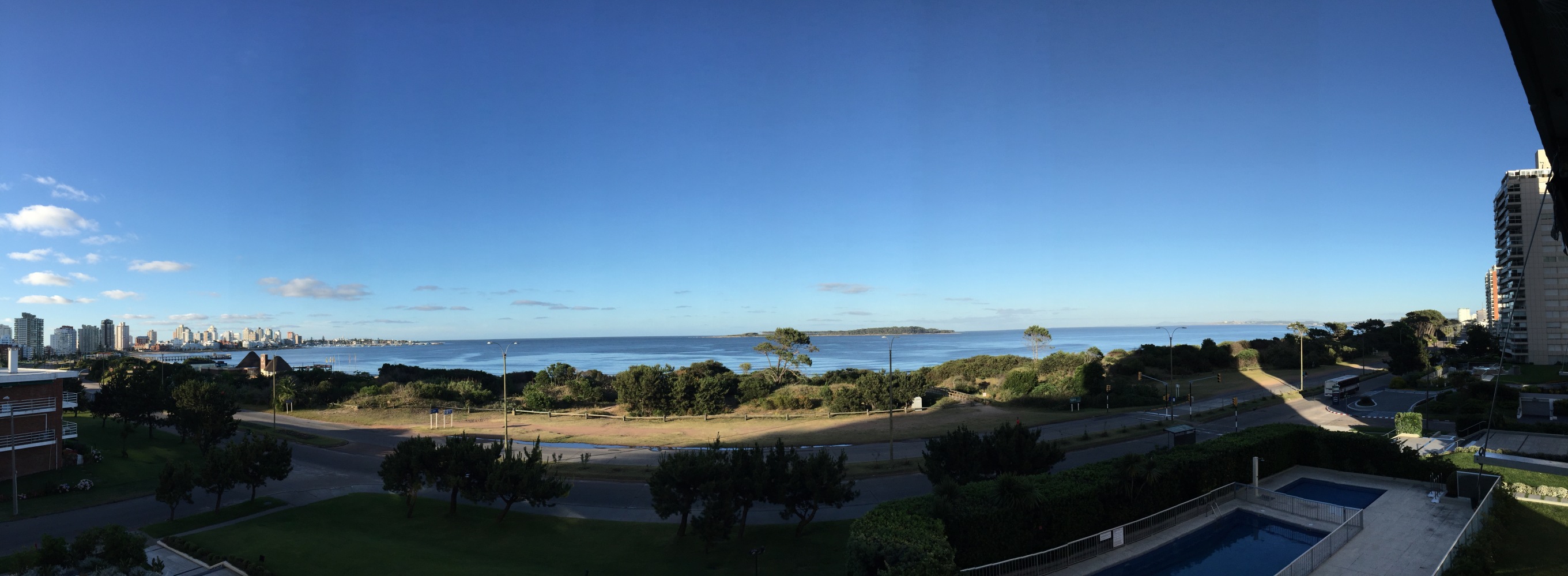
Panoramic view of Playa Mansa from the terrace.

Punta del Este is known for being the South America's summer playground and aside from sun, sand and sea, there isn't much to keep one occupied which is why it's worth a visit to the Museo Taller Carlos Páez Vilaró
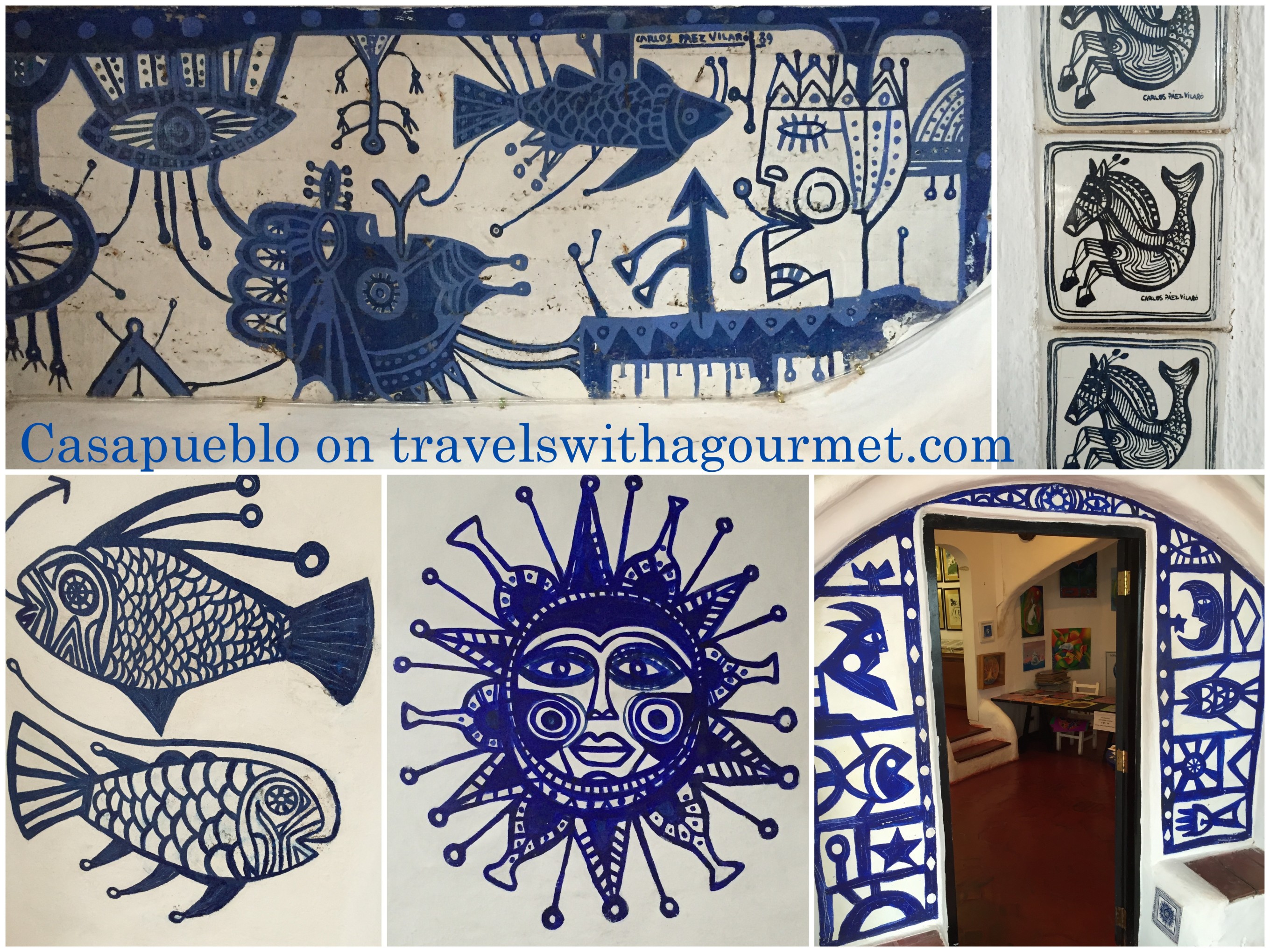
Carlos Páez Vilaró was an Uruguayan autodidact who grew up in Buenos Aires where his works of  graphic art began. He was later influenced by his many travels to Brazil and all over the African continent.  His numerous works include paintings, sculpture, mural art, ceramics, books and even music and he has left his mark in many works from Buenos Aires to Beijing, Cairo to Washington DC.
PCasa GT Punta del Este1
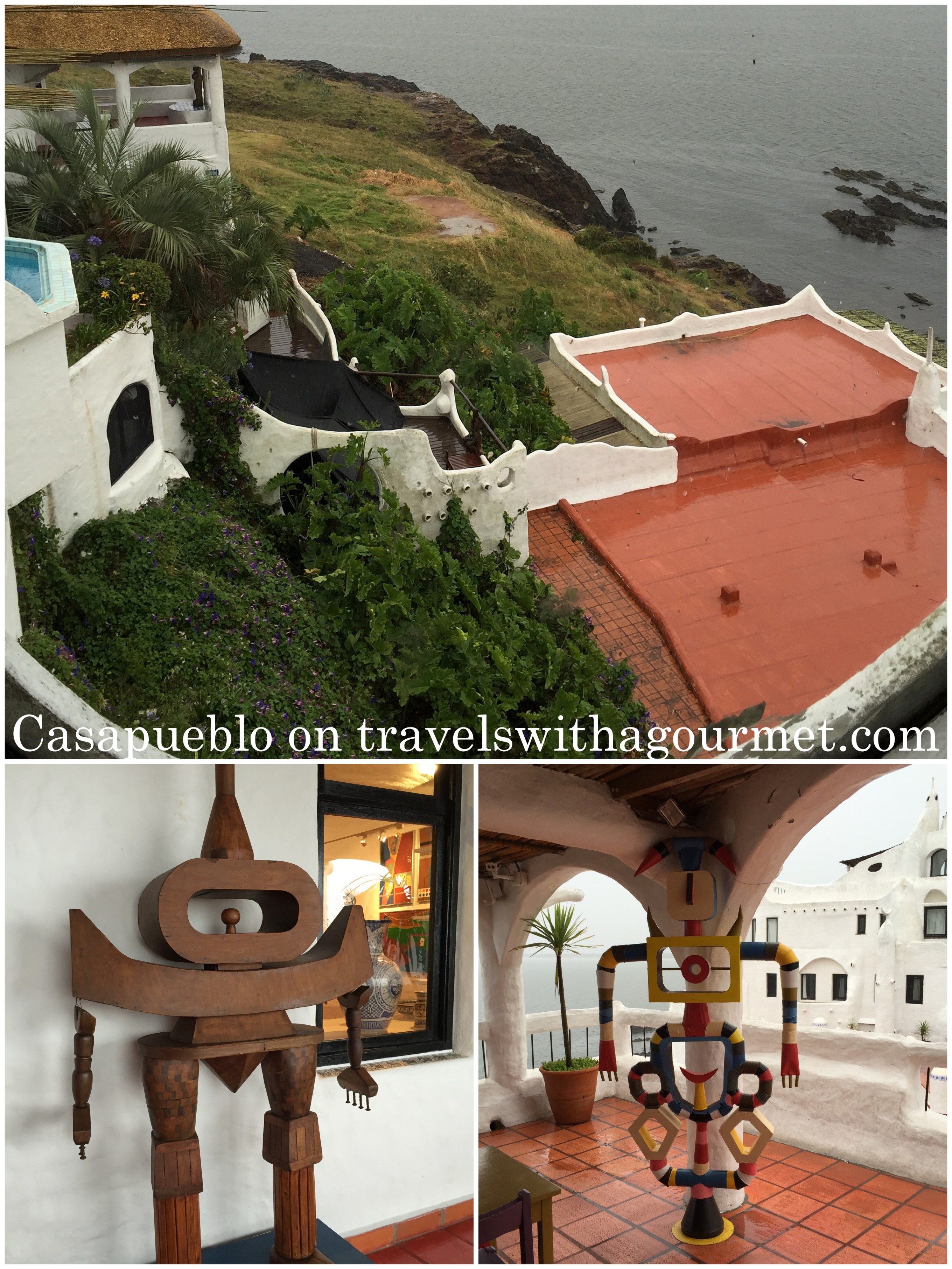
He returned often to Uruguay and in 1969, he built his summer home by the sea in Punta del Este.  Casapueblo is found in Punta Ballena at the end of a winding road with expansive views of the sea.  This home was conceptualized with his own architectural design audit was here that he works to fill this all-white curvy stone house on a cliff with his final works of art, from the graphic tiles inlaid into the walls to the murals he painted on the terraces.  His sculptures are also scattered around the home along with his many ceramic creations.  He continued to live abroad - in Argentina, the United States and Brazil but eventually moved back to Punta del Este.  It was in this home that he spent rest of his days, painting and working until he died in February 2014 with Casapubelo becoming his final work of art.
PCasa GT Punta del Este2
Punta Ballena, Uruguay
C.P. 20003
Tel/Fax: +(598) 4257 8041
Tel/Fax: +(598) 4257 9121
Open to the public daily from 10 a.m. till sunset.  
Entry fee for 12 years old and above Uruguayan $240

Sunday, October 05, 2014

ROPPONGI HILLS


My last Tokyo post is all about a whole day in Roppongi Hills, the so-called city within a city of modern skyscrapers, high-end hotels, luxury shops, green spaces, world-class museums, numerous bars and night clubs and lively back streets.

My friend Rumi lived nearby so we decided to meet at the 45th floor lobby of the Ritz-Carlton Tokyo for a quick view of the city stretched out below.  We started our walking tour outside Tokyo Midtown where we walked around the park, over the bridge and the tiny brook and by the manicured green areas dotted with park benches to the concrete bunker 21_21 Design Sight off to one side.


From there, we walked several blocks away to the bustling area around Roppongi Hills where the Mori Art Museum and the Eiffel tower lookalike Tokyo Tower are located.  On the way there, we stopped for a takoyaki snack - Japan's street food.  Takoyaki are deep-fried flour balls made with octopus, tempura scraps, green onion and pickled ginger and topped with bonito flakes and Japanese mayonnaise.  Traditionally eaten as an after work bite along with a highball, a shot of whiskey topped up with ice cold soda water served in a large mug like a beer, Rumi knew that it wasn't the right time to eat the takoyaki but she and I decided we wouldn't be able to wait till sundown.  We split a highball and six takoyaki which were delicious and hit the spot for more wandering around the shopping mall nearby passing by the Mori and admiring Maman, Louise Bourgeois' humongous bronze spider sculpture.  We stopped afterwards at the beautiful terrace of The French Kitchen in the Grand Hyatt for a cold drink and some sunshine before walking back and trying to find a simple place for lunch nearby.


We finally stumbled on a small ramen place on a side street.  A vending machine greeted us at the entrance and Rumi dropped the appropriate coins for two bowls of hot ramen topped with roast pork and a medium boiled egg.  As soon as we sat at the counter, we surrendered our tickets to one of the ramen cooks and waited for our order and enjoyed the rhythm and blues music blasting in the restaurant.  I noticed that the place was packed with Japanese men again and we were the only ladies there (just like the other evening at the yakitori place)  and I asked Rumi why it was that Japanese women weren't often seen eating in traditional Japanese restaurants.  She explained that the ladies preferred more sophisticated Western food for lunch than casual Japanese fare.

The ramen noodle soup came with self-serve pitchers of iced tea and the usual condiments of chili oil and seaweed flakes.  We dug in and slurped like the locals and started to sweat from the hot soup and it was only then that we also noticed that all the men having ramen were eating cold ramen to stay cool on such a hot day.  We started to laugh because it seemed like we were in the sweltering American south listening to John Lee Hoooker while enjoying our hot soup and keeping our hair away from the broth.  We finished our ramen and on our way out, we laughed even harder as we realized there were paper bibs and elastic hair ties on top of the vending machine at the front to hold one's hair back from getting into the soup and cover one's clothes from the splatter.  Another dining culture experience shared with my foodie partner Rumi.

We walked lunch off and returned to Tokyo Midtown where we escaped the heat from the streets for a wander around the mall, looking into the Umami boutique (a shop selling umami flavored everything from crackers to sauces to nuts), Toraya (the traditional Japanese tea cake place) and for a quick espresso at Dean and Deluca.


After that, it was a short walk through Hinokicho park to Rumi's neighborhood in Akasaka where we put our feet up and relaxed before heading out to a Yakiniku (Japanese table barbecue) dinner nearby - again filled with Japanese businessmen.  I don't know how we managed to eat several platters of beef and offal with a large green salad tossed in a sesame dressing.  We were both so full that Rumi insisted we go to the local pharmacy for a tiny bottle of an herbal concoction that Japanese drink the night of food or alcohol excess to avoid indigestion and a hangover.  We downed them right then and there while the pharmacist watched us in amusement.  It didn't taste bad, jut like a shot of herbal liqueur without the alcohol.   It was a fun-filled, food-centered, non-stop walking day which gave me a chance to explore a part of town on foot and enjoy the city quirks with a Tokyo native.

_____________________________
Tokyo Midtown

Tokyo Midtown Design Hub

Roppongi Hills

Mori Art Museum

National Art Center Tokyo

Suntory Museum of Art

Tokyo Tower
Saturday, May 24, 2014

MOSCOW MUSTS


The Kremlin is the center of it all.  Recently, they implemented an online system for buying tickets and it's first weekend trial was when we there but we did it the old way - get in line and try and snag a ticket as the entries are limited and scheduled.  You can do full-priced ticket which includes the Armory museum, the three cathedrals (Annunciation, Assumption and Archangels), Ivan the great's bell tower, the Patriarch's Palace or opt for several cheaper ticket options which is just for the grounds and Cathedral square usually bought by Russians or locals who like to walk around the Kremlin drink the weekends.  The ticket for the diamond exhibit, which is also in the Armory, is sold separately inside the museum. Be patient as the ticket seller is a babushka who hardly speaks English and there are hardly any signs in English so use sign language and figure it out.  My rusty Russian helped a bit but not much.  Ticket booths open at 9:30 for the first entry at 10:00.  Once you have your ticket, get in the long line and wait until the Kremlin gates open - this took about 45 minutes to an hour.  Once inside, head straight to the armory which is filled with Russian state regalia, ceremonial vestments and crowns and all the precious metals from jeweled crowns to state silver service which should take about an hour.  After that, we walked out towards Cathedral square which gives one a 360 degree view of the three cathedrals and Ivan the great's bell tower.  After a short wander around, we exited towards Manezhnaya Ploshad (Manezh square) to the cobblestoned red square and walked towards the Kremlin clock tower and the iconic St. Basil's cathedral.


It was about time for lunch so after a short tour of red square, we escaped the cold (3C) and entered GUM - the State department store, now fully renovated and filled with high-end boutiques.  When I left in 1997, GUM was just starting to be renovated and was still a mix of Benetton (one of the first Western labels present in Russia) and Russian style shops.  Now, it's a bright, modern shopping mall housed in an architectural marvel from the 1890's filled with upwardly mobile Russians and a few tourists.  We went up to the second floor where we got in another line (remnants of Communist times) to have lunch at Stolovaya No.57 -  a retro Russian-style self-serve cafeteria complete with white lab coat uniformed counter staff dishing out potato salad and smoked fish, borscht and chicken Kiev, pierogi and black bread.  Even the drinks are authentic - from an ice-cold piva (beer) to a kitschy vending machine dispensing super fizzy Russian sparkling water by the glass.  I had the classic chicken Kiev with mashed potatoes while A had a slab of roast pork with cranberry sauce and a beet and smoked fish salad.

From there, we continued our walk around the center and headed towards Tversakaya street, known by its' former name as Gorky street.  Just like GUM, this busy street is now home to luxury hotels and shops but still retains something of the old Moscow.  We visited Yeliseyevsky Gastronom (Yeliseyevsky food store) which used to allow access only to Communist party elite.  This food hall was always a gastronomic mecca but more so today that the shelves are filled to the brim with everything from fresh raspberries to French lentils as well as a large glass case stacked with tins and tins of edible black pearls, caviar.


Another day should be devoted to the Pushkin museum - housed in three buildings - the main one on (Volkhonka street 12) in the center for ancient artifacts, sculpture and 18th century European art, the smaller one on the right (Volkhonka street 10) for private collections and the adjacent one on the left (Volkhonka street 14) for 19th and 20th century art.  We visited the main building on one day and I returned another day with N to visit the Impressionists which was a visual pleasure - rooms and rooms of Monets, Renoirs, Pissarros, Degas, Gaugins and Van Goghs.  


Just in front is the gigantic gold-domed Christ the Saviour cathedralreconstructed in the late nineties then continue onwards to the pedestrian bridge to cross the Moscow river to the other embankment and walk around what used to be the Krasny Oktyabr (Red October) Chocolate Factory - converted into an urban center with cafes and restaurants, design offices and the Lumiere Brothers Photo gallery showcasing Soviet-era photographs with a cafe and an interesting gift shop, sorely lacking at the Pushkin museum and the Kremlin.


Last but not least the Bolshoi is essential, preferably to watch a ballet in the historical stage or an opera at the new stage or at the very least a tour.  After a six year renovation, the theater which opened in 1856 has retained the gold rococo interiors and red velvet seats but the sound system and acoustics have been updated.  We were able to get tickets for the premier of Alexandre Dumas'  La Dame aux Camellias - a ballet in three acts on the historical stage.   The experience of an evening at the Bolshoi should not be missed and was the best way to spend our last evening in Moscow.

Sunday, November 18, 2012

Day trip: PONCE

Here's another suggestion if you'd like to explore a bit of the island outside San Juan. We went to Ponce in the south of Puerto Rico from Dorado and mistakenly took the ruta panoramico (scenic route) shorter winding route that took us through the mountains and lasted two and a half hours.

Ponce is the next largest city after San Juan with its' own airport and a world-class art museum, the Museo de Arte de Ponce which is one of Puerto Rico's treasures.  We arrived a couple of hours before closing and were given a quick guided tour by one of the museum volunteers.  She led us through the museum and pointed out the highlights of their permanent collection with the finale on the second floor to see Flaming June by Lord Frederic Leighton.  The galleries are arranged in a peculiar way with modern art displayed alongside Pre-Rapahelite works which makes for an interesting visit.  There is a lovely outdoor garden with sculptures and a cafe overlooking the grounds.  It's a good day trip especially if you take the highway 52, which we did on the way back home to Dorado, which cuts the trip to Ponce by an hour.
_______________________________
Ave. Las Americas 2325
Ponce, Puerto Rico 00717
Telephone: +1 787 848 0505
Email: info@museoarteponce.org

*Open Wednesday to Monday 10:00 a.m. to 6:00 p.m., Last entry at 5:15 p.m., Closed Tuesday
Admission: Adults $6 and Children under 12, seniors and students $3
Daily guided tours at 11:00 p.m. and 2:00 p.m., Audio guides $2

Tuesday, September 25, 2012

Food, Wine and Art in Dorado Beach


On two occasions, A and I were invited to lunch at C and F's lovely home.  The well-designed space is bright and modern with direct views to the ocean and many wonderful art pieces prominently displayed in the gallery-like entrance hall and all over the house.  The table was set with striking cowhide place mats and colorful napkins in an enamel ring.  Several glasses were at each place setting signaling a tasting meal with matching wines.  Before sitting down to lunch, C gave us a short tour and explanation of the different art pieces and their provenance.


A Puerto-Rican themed lunch was organized by C and prepared by chef Jose from Zafra.  We began with ice-cold champagne rose and soon after for the first course of seared foie gras and banana - an interesting combination with the richness of the foie gras and the sweet banana coming together partnered with a glass of Chateau d'Yquem.  With the subsequent white wine, we had seared halibut atop a lighter version of mofongo made with yucca instead of the usual mashed plantains followed by a risotto con gandules (pigeon peas or tropical green peas), another typical Caribbean ingredient.  Then came the magnum of 1981 Vega Sicilia Unico - a velvety blend of tempranillo, cabernet sauvignon and a little bit of merlot  from the famed region of Ribera del duero which was served with the main course of seared tenderloin wrapped in a thin slice of crispy plantain still keeping with the Puerto-Rican influenced cuisine.  Last but not least was a light cheesecake served with guava sorbet and jelly which came with a shot of mango-flavored pitorro (Puerto Rican moonshine rum), a fitting end and digestif to the exquisite meal. 


Our second lunch at their home started with an amuse bouche of foie gras, prawn tempura and smoked salmon gravlax followed by a beautiful rendition of the classic caprese salad - one hollowed plum tomato filled with greens alongside several chunks of fresh mozzarella followed by mahi-mahi with mashed chickpeas.  Along with F's favorite wine, the Vega Sicilia unico, came two dishes: a slab of veal accompanied by mushroom sauce and apple chunks then seared skirt steak topped with baby vegetables including purple yam and a caramelized turnip.  To go along with the rest of the red wine was a molten milk chocolate dessert with guava sorbet.  This time lunch finished with a shot of Venezuelan reserve rum - Diplomatico.  Another one-of-a-kind meal from exceptional hosts who know how to live the good life with food, wine and art.
C and her cockatoo plus a few art pieces from their art collection.

Wednesday, September 14, 2011

48 Hours in Beijing: Day 2

On Saturday, we had the whole morning and decided to explore 798 in Dashanzi.  This area of former factories and dilapidated warehouses, including the main Factory 798 which produced electronics, has been transformed into Beijing's trendy art district over the years.  Most of the buildings and warehouses in Dashanzi were designed by the East Germans in the 50's Bauhaus style and Located in the northeast part of the city, towards the international airport, the area has many art galleries and studios, cafes, restaurants, design boutiques, bookstores including a bar situated in the old 798 factory aptly called the Old Factory Bar and anchored by the impressive collection at the UCCA (Uhlens Center for Contemporary Art).

The UCCA was created by Belgian couple, Guy and Myriam Ullens, in November 2007 and is housed in an original 1950's Bauhaus-style brick factory.  Aside from their extensive collection of Chinese contemporary art that the Ullens' own, the UCCA holds exhibitions of other contemporary artists.  On our visit last month, the main hall had a large light structure by Tatsuo Miyajima (until October 8) and a larger art installation by Song Dong (which ended on Sept. 8) reflecting the life in Beijing's traditional Hutongs (courtyard-based residences found in narrow streets and alleys of Beijing), many of which have now been razed to make way for larger, newer developments.

We spent some time at the museum walking through the exhibits then finished our visit with a long look through the stylish UCCA museum store.  There were lots of fun things to be had and we especially liked Sui Janguo's Made in China colorful dinosaur resin scultpures.  In the end, we settled for a poster of Yue Minjun's Great Criticism series to add to our kitchen wall collection.

We walked around 798 and saw the cafes and restaurants start to fill up for lunch with a mix of trendy locals, expat residents and tourists.  On the main square was a large Botero-like sculpture and everywhere else were whimsical street art installations fronting galleries.  For local flavor, there were also several bike-mounted food carts on or around the main square.  We spotted coal roasted sweet potatoes, candied fruit on a stick, assorted fried pastries and a delicious-smelling extra-thin pancake spread with a black sesame paste, sprinkled with herbs and filled with a crunchy cracker which was then folded up into a rectangle piece - a Chinese version of the French crepes.  It was past noon and the day was humid so we wandered around for a bit more before we hopped in a cab to head back to our hotel in the Financial District and spent the rest of the afternoon getting ready for the big museum event that evening.
___________________________________________________
Most galleries are closed on Monday


Open Tuesday to Sunday from 10:00 - 7:00, Closed on Monday
Free admission on Thursdays

Friday, July 18, 2008

Andy Dandy


Yesterday evening was the opening of the Andy Dandy exhibit which runs until the 24th of July. It's a collection of photographs of Andy Warhol from The Hilton Brothers, Christopher Makos and Paul Solberg. It was a fantastic summer event organized by Marbella's Dideh Art Gallery and the Hotel Villa Padierna. The evening started with cocktails and canapes on the terrace and was followed by a flamenco show in the hotel's Roman amphitheatre.