Showing posts with label Sightseeing. Show all posts

Friday, September 30, 2016

Flashback Friday: PUNTA DEL ESTE

IMG_5103
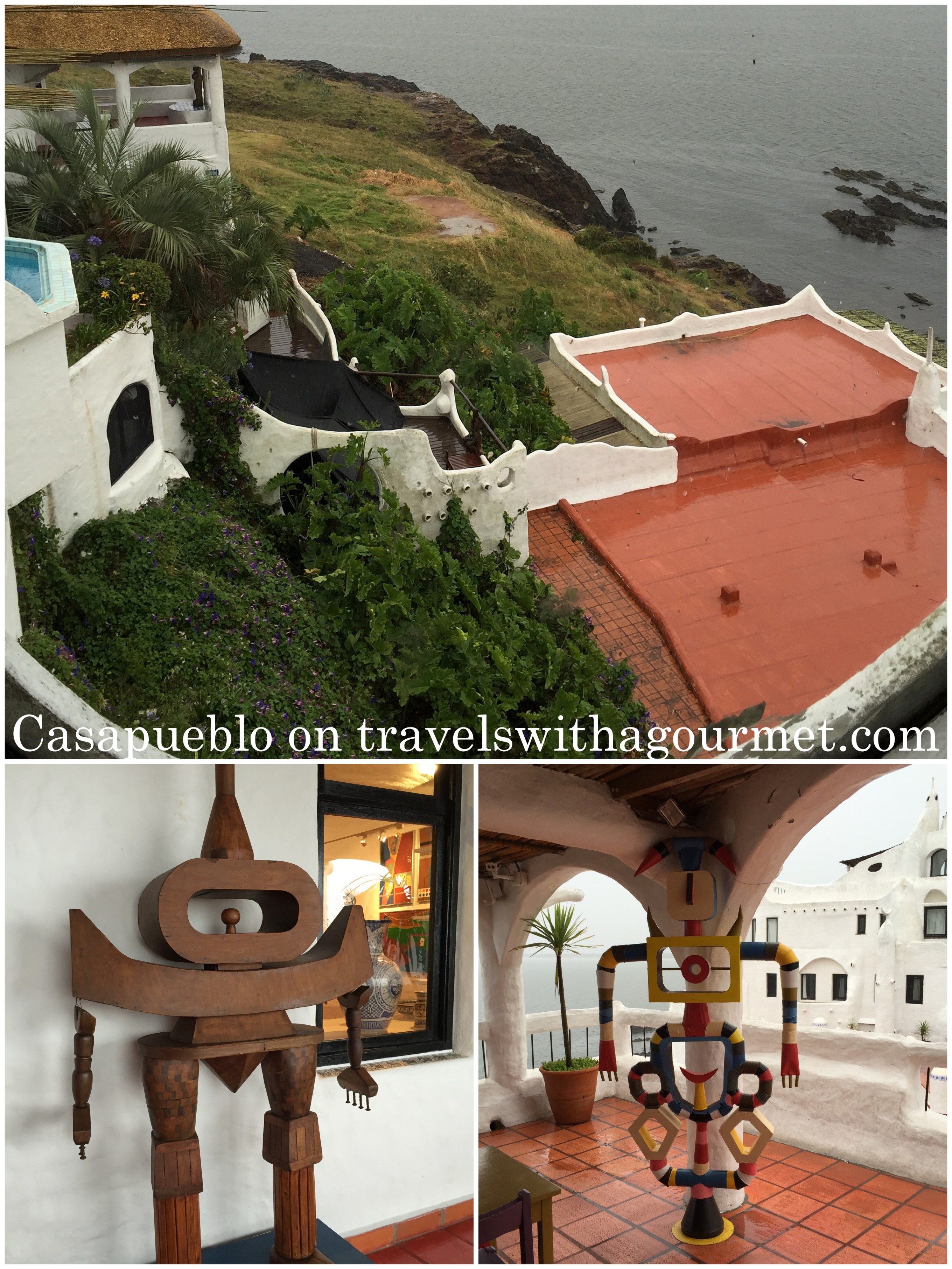
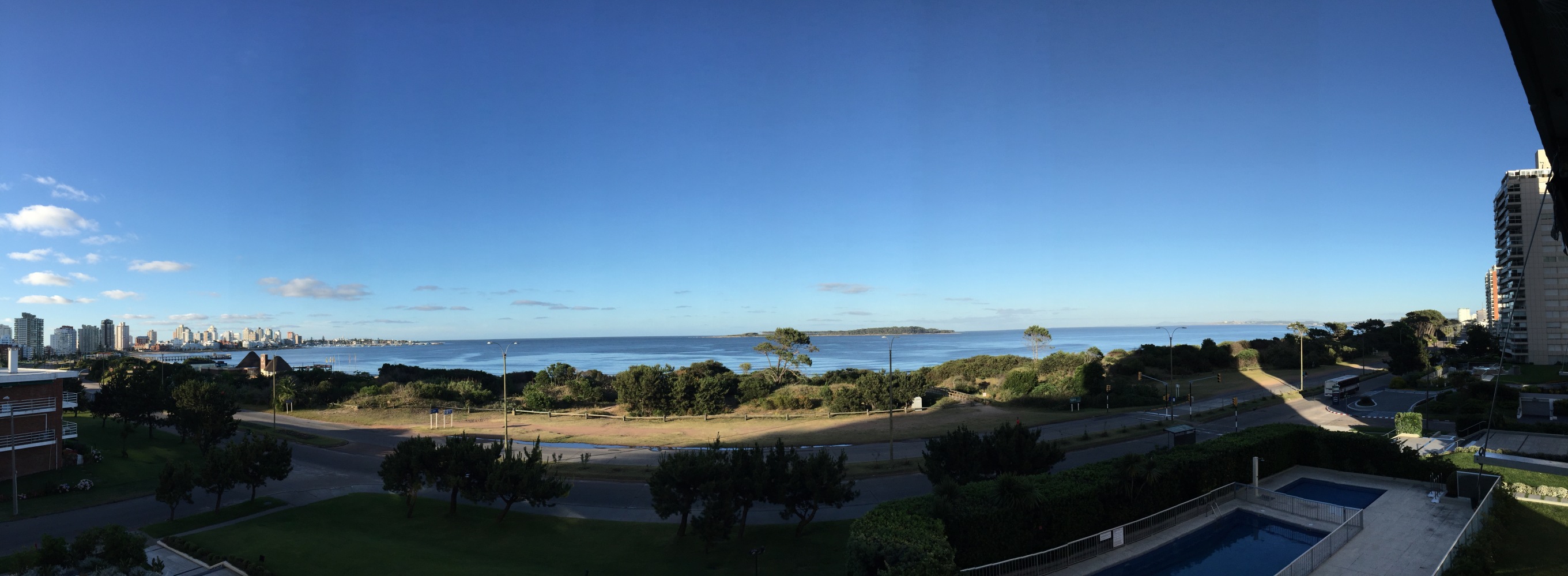
Panoramic view of Playa Mansa from the terrace.

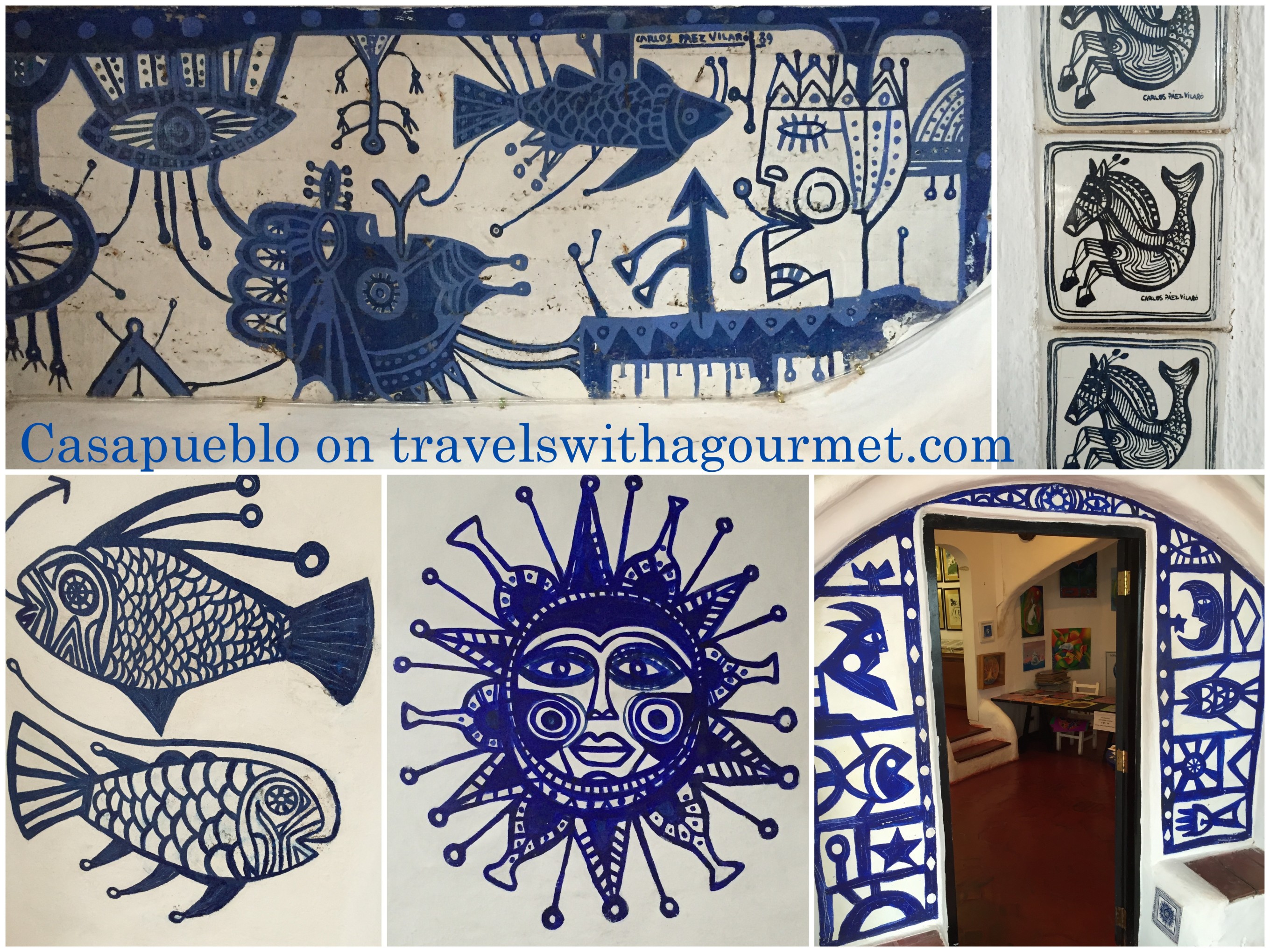
Punta del Este is known for being the South America's summer playground and aside from sun, sand and sea, there isn't much to keep one occupied which is why it's worth a visit to the Museo Taller Carlos Páez Vilaró
Carlos Páez Vilaró was an Uruguayan autodidact who grew up in Buenos Aires where his works of  graphic art began. He was later influenced by his many travels to Brazil and all over the African continent.  His numerous works include paintings, sculpture, mural art, ceramics, books and even music and he has left his mark in many works from Buenos Aires to Beijing, Cairo to Washington DC.
PCasa GT Punta del Este1
He returned often to Uruguay and in 1969, he built his summer home by the sea in Punta del Este.  Casapueblo is found in Punta Ballena at the end of a winding road with expansive views of the sea.  This home was conceptualized with his own architectural design audit was here that he works to fill this all-white curvy stone house on a cliff with his final works of art, from the graphic tiles inlaid into the walls to the murals he painted on the terraces.  His sculptures are also scattered around the home along with his many ceramic creations.  He continued to live abroad - in Argentina, the United States and Brazil but eventually moved back to Punta del Este.  It was in this home that he spent rest of his days, painting and working until he died in February 2014 with Casapubelo becoming his final work of art.
PCasa GT Punta del Este2
Punta Ballena, Uruguay
C.P. 20003
Tel/Fax: +(598) 4257 8041
Tel/Fax: +(598) 4257 9121
Open to the public daily from 10 a.m. till sunset.  
Entry fee for 12 years old and above Uruguayan $240

Wednesday, May 04, 2016

TOKYO

PCasa GT Tokyo, Sights
Tokyo is my second favorite city after Paris and it's because the Japanese are the most similar to the French in their love of gastronomy and beauty, from the beautifully presented food in individual dishes or lacquered bento boxes to the intricately-wrapped packages in the boutiques and food shops.  When I was at Le Cordon Bleu, it was always my Japanese classmates who perfected the pastry pratique as they were naturals at recreating the glazing and decoration on the gateaux et patisserie.  Their attention to detail is present in their day-to-day lives and this is seen everywhere in Japan.
I had been to Tokyo for the first time in 2014 and explored the city on foot with my friend Rumi.  This time around, we chose to spend a week over the easter holidays with the kids to experience Tokyo during Sakura season (cherry blossom time).  Spring in Tokyo is usually rainy but mild and it was a nice change of weather from tropical Singapore.
PCasa GT Tokyo, Sights1
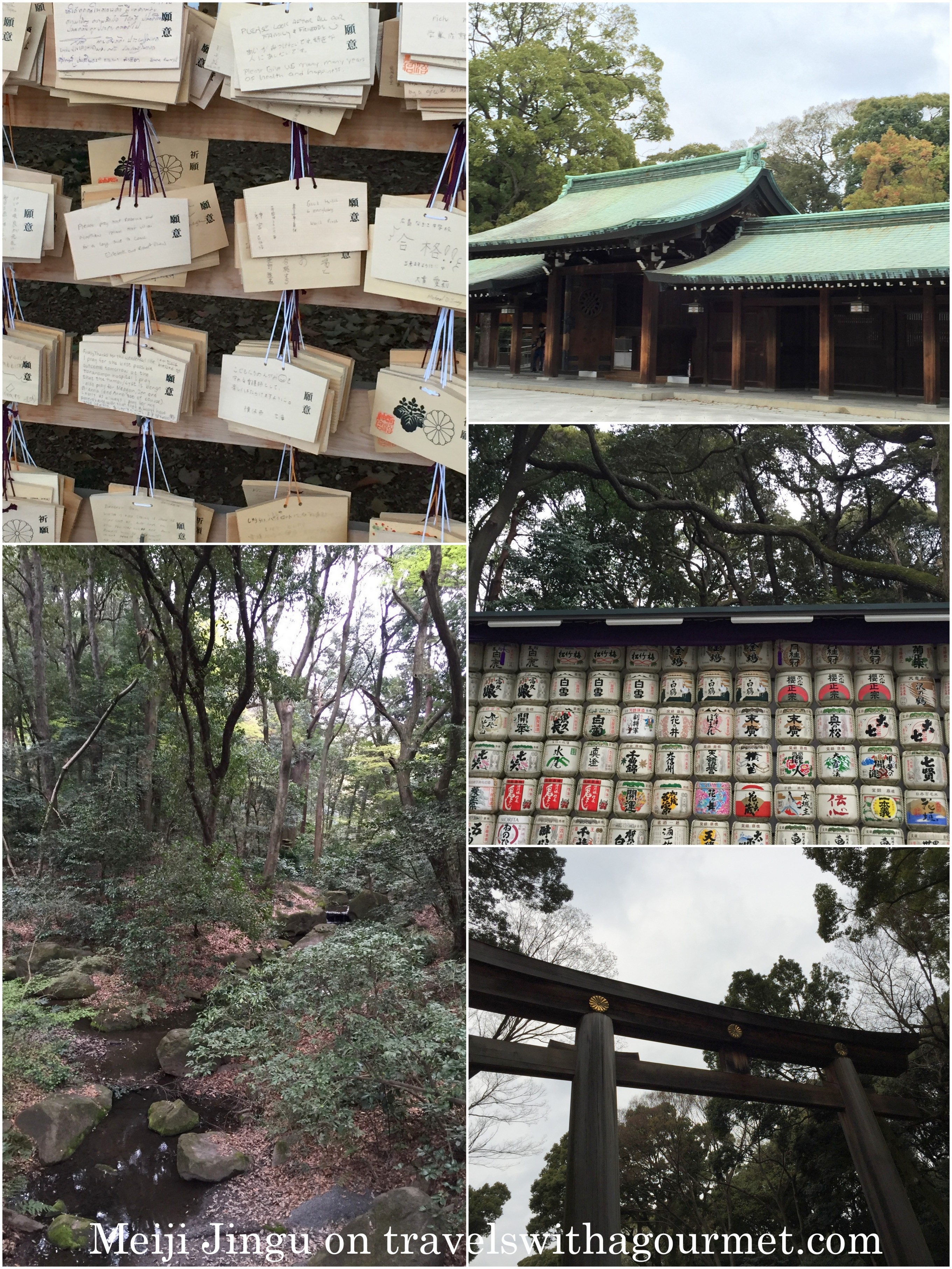
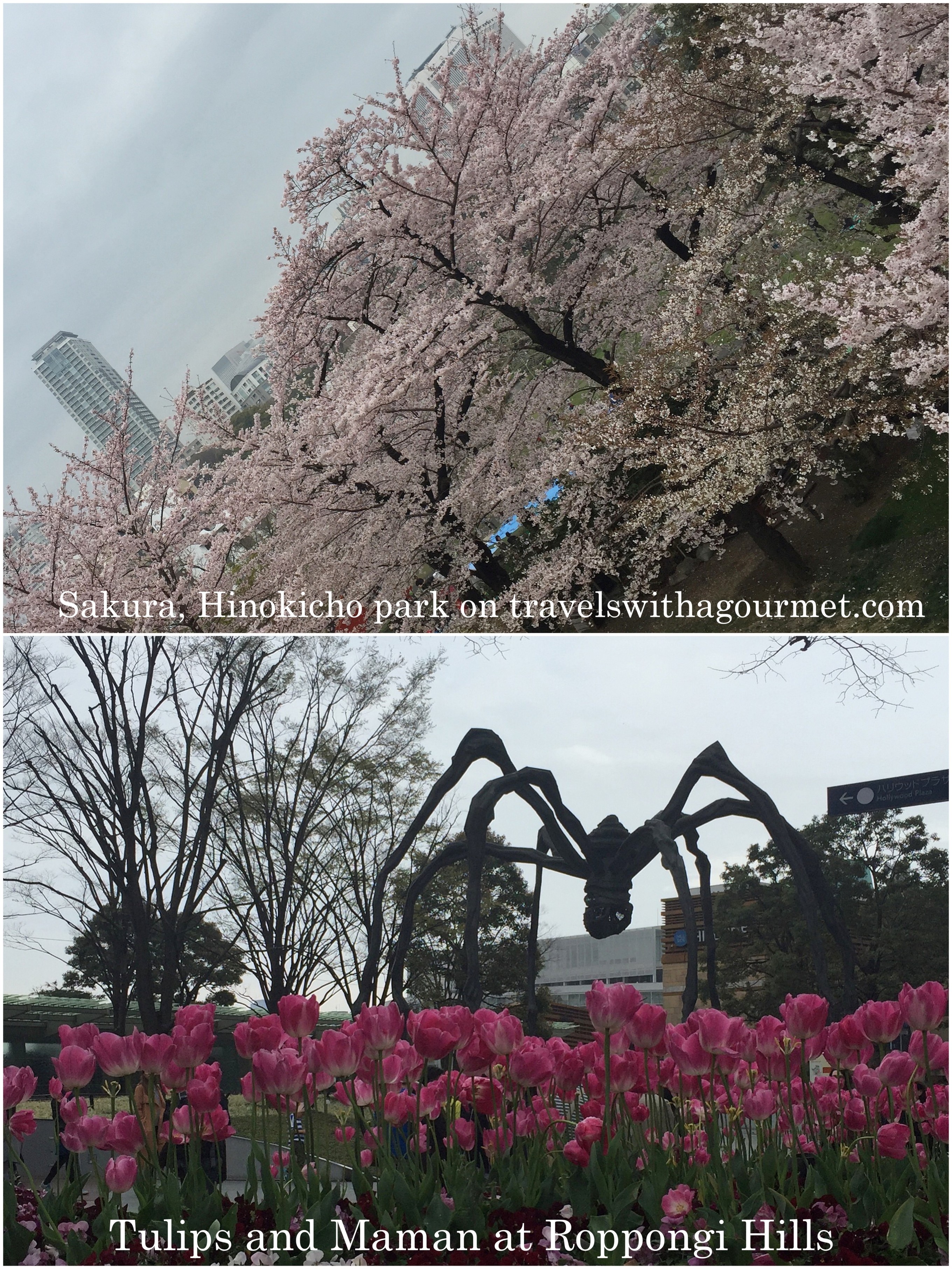
We walked all over the city from  Ginza for shopping and eating to admiring the architecture and window displays in Omotesando Hills.  We went to Midtown and walked around the beautiful green oasis of Hinokicho park where we saw our first cherry blossoms then headed over to nearby bustling Roppongi.  We also visited the peaceful Shinto shrine  Meiji Jingu located in the middle of a 100,000 tree forest near Harajuku and Omotesando.
PCasa GT Tokyo, Sights3
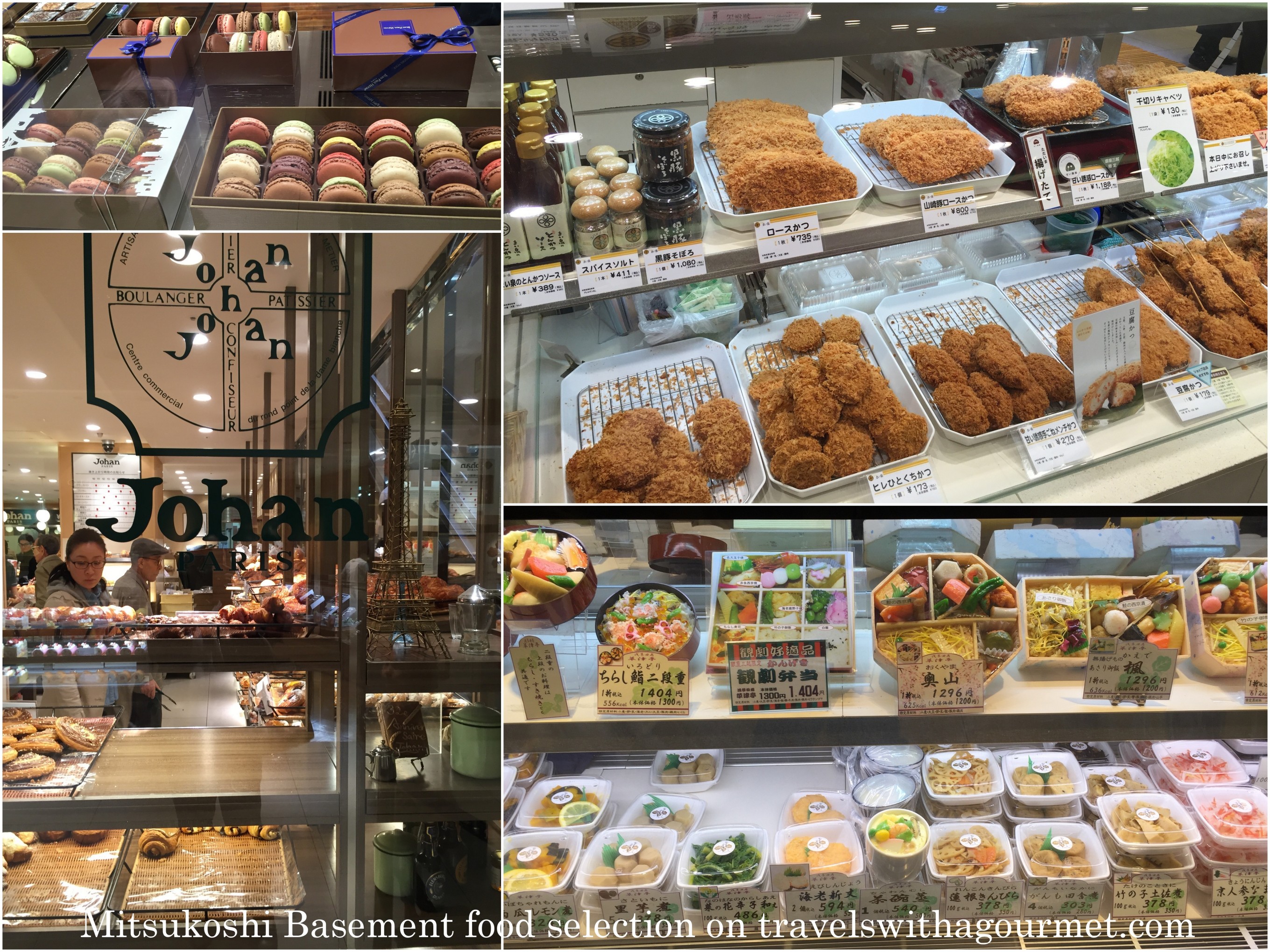
We also explored the basement food halls of department stores Matsuya and Mitsukoshi in Ginza which had an amazing selection of both local and imported food for takeaway.  Despite having spent a week in Tokyo, I still felt that we had only scratched the surface on what the city had to offer in gastronomic treats which just means that I'll be gong back sooner rather than later.
__________________________
Meiji Jingu
1-1 Yoyogi-Kamizono-cho,
Shibuya-ku,
Tokyo 151-8857
*Open daily from sunrise to sunset (opening and closing times change depending on the season)

Sunday, October 05, 2014

ROPPONGI HILLS


My last Tokyo post is all about a whole day in Roppongi Hills, the so-called city within a city of modern skyscrapers, high-end hotels, luxury shops, green spaces, world-class museums, numerous bars and night clubs and lively back streets.

My friend Rumi lived nearby so we decided to meet at the 45th floor lobby of the Ritz-Carlton Tokyo for a quick view of the city stretched out below.  We started our walking tour outside Tokyo Midtown where we walked around the park, over the bridge and the tiny brook and by the manicured green areas dotted with park benches to the concrete bunker 21_21 Design Sight off to one side.


From there, we walked several blocks away to the bustling area around Roppongi Hills where the Mori Art Museum and the Eiffel tower lookalike Tokyo Tower are located.  On the way there, we stopped for a takoyaki snack - Japan's street food.  Takoyaki are deep-fried flour balls made with octopus, tempura scraps, green onion and pickled ginger and topped with bonito flakes and Japanese mayonnaise.  Traditionally eaten as an after work bite along with a highball, a shot of whiskey topped up with ice cold soda water served in a large mug like a beer, Rumi knew that it wasn't the right time to eat the takoyaki but she and I decided we wouldn't be able to wait till sundown.  We split a highball and six takoyaki which were delicious and hit the spot for more wandering around the shopping mall nearby passing by the Mori and admiring Maman, Louise Bourgeois' humongous bronze spider sculpture.  We stopped afterwards at the beautiful terrace of The French Kitchen in the Grand Hyatt for a cold drink and some sunshine before walking back and trying to find a simple place for lunch nearby.


We finally stumbled on a small ramen place on a side street.  A vending machine greeted us at the entrance and Rumi dropped the appropriate coins for two bowls of hot ramen topped with roast pork and a medium boiled egg.  As soon as we sat at the counter, we surrendered our tickets to one of the ramen cooks and waited for our order and enjoyed the rhythm and blues music blasting in the restaurant.  I noticed that the place was packed with Japanese men again and we were the only ladies there (just like the other evening at the yakitori place)  and I asked Rumi why it was that Japanese women weren't often seen eating in traditional Japanese restaurants.  She explained that the ladies preferred more sophisticated Western food for lunch than casual Japanese fare.

The ramen noodle soup came with self-serve pitchers of iced tea and the usual condiments of chili oil and seaweed flakes.  We dug in and slurped like the locals and started to sweat from the hot soup and it was only then that we also noticed that all the men having ramen were eating cold ramen to stay cool on such a hot day.  We started to laugh because it seemed like we were in the sweltering American south listening to John Lee Hoooker while enjoying our hot soup and keeping our hair away from the broth.  We finished our ramen and on our way out, we laughed even harder as we realized there were paper bibs and elastic hair ties on top of the vending machine at the front to hold one's hair back from getting into the soup and cover one's clothes from the splatter.  Another dining culture experience shared with my foodie partner Rumi.

We walked lunch off and returned to Tokyo Midtown where we escaped the heat from the streets for a wander around the mall, looking into the Umami boutique (a shop selling umami flavored everything from crackers to sauces to nuts), Toraya (the traditional Japanese tea cake place) and for a quick espresso at Dean and Deluca.


After that, it was a short walk through Hinokicho park to Rumi's neighborhood in Akasaka where we put our feet up and relaxed before heading out to a Yakiniku (Japanese table barbecue) dinner nearby - again filled with Japanese businessmen.  I don't know how we managed to eat several platters of beef and offal with a large green salad tossed in a sesame dressing.  We were both so full that Rumi insisted we go to the local pharmacy for a tiny bottle of an herbal concoction that Japanese drink the night of food or alcohol excess to avoid indigestion and a hangover.  We downed them right then and there while the pharmacist watched us in amusement.  It didn't taste bad, jut like a shot of herbal liqueur without the alcohol.   It was a fun-filled, food-centered, non-stop walking day which gave me a chance to explore a part of town on foot and enjoy the city quirks with a Tokyo native.

_____________________________
Tokyo Midtown

Tokyo Midtown Design Hub

Roppongi Hills

Mori Art Museum

National Art Center Tokyo

Suntory Museum of Art

Tokyo Tower
Monday, August 25, 2014

GINZA


2014 is definitely the year of travel.  In January we spent a few days in Bali with family rediscovering the island.  In March, a much-awaited return to Moscow (last time I was there was 17 years ago) to show A the new and improved MOCKBA.  This was followed by two weeks in Manila with the kids and a trip to Tokyo in the spring.  As it was my first time to Tokyo, I was lucky that my good friend Rumi had just returned home to Japan after several years abroad which gave me the best food tour guide for my initiation to the amazing gourmet offerings of Tokyo. 

We stayed at the Imperial Hotel, a classic Japanese hotel, located close to the famous luxury  shopping area of Ginza.  On our first evening, we decided to see what the area had to offer.  Close by was a small street parallel to the train tracks lined with restaurants on either side.  A & I meandered along until we found a packed sushi bar towards the end of the road.  I won't even be able to tell you the name as all the signs and menus were in Japanese so we did what tourists usually do and just pointed out something on the menu.  It was a 12-piece sushi platter with  amaebi (sweet shrimp), maguro (tuna), hotate (scallop), ikura gukan (salmon roe), uni (sea urchin), negi toro (chopped tuna with chives), tamago (cooked egg), aji (mackerel), chutoro (fatty tuna belly), hirame (flounder), unagi (grilled eel) and the very strange kazunoko (herring roe) which neither of us ate.  All that plus a side dish of fried egg with mushrooms set us back around US$25 each - a bargain after all those stories about overpriced Tokyo.  We walked around the block a bit to digest our dinner and as we neared the hotel, we witnessed aTokyo phenomenon - hundreds of ladies queued up in several orderly single file rows waiting to greet a stage performer about to exit the theater across the street.  No pushing and shoving, each one waiting patiently with a piece of paper (greetings?) or a bouquet of flowers to offer the star.  The sense of order and respect - that was what my first impression of Tokyo.


The next morning, A set off for work while I had a leisurely breakfast and did my first day exploring Ginza which was several blocks away.  I started off at Hakuhinkan Toy Park, Tokyo's version of Toys R Us, and walked slowly up the street, window shopping and people watching.  By the time I reached  the middle, it was time for lunch so I followed Rumi's advice and went to Mitsukoshi where there are five floors devoted to food - the 11th and 12th for restaurants, the 9th for smaller self-serve counters with a large terrace, B2 for the food court and B3 for grocery items.  I went up to the the 11th floor and walked into the first one that caught my eye - a tonkatsu restaurant which has almost full with mostly Japanese and two solo diners, just like me, who looked like tourists.  I sat at a corner table and chose the tonkatsu and ebikatsu (prawn) set which came with soup, rice and pickles.  The food came quickly with the crunchy but not oily panko-crusted pork cutlet and the equally crispy deep-fried prawn set on a wire rack over a plate with some lemon and tartare sauce served with the brown rice I asked for.   On the table were the two containers of homemade tonkatsu sauce - one sweet and the other spicy along with some implements that I had never seen nor used before. It was basically a shallow corrugated ceramic  bowl and a piece of wood.  I looked around and saw what my neighbors were doing and realized that this was like a mortar and pestle and was being used to hand grind sesame seeds to be added onto the tonkatsu sauce to thicken and flavor it.  The tricky part out of the way, I finally began to eat my delicious lunch and finished it off with the tangy crunchy pickles.  One of the things I enjoy when I'm discovering a city is eating on my own - it gives me chance to concentrate on my food and at the same time observe the locals and their rituals.


After lunch, I walked to Ito-ya - Tokyo's premier stationery shop to have a look and ended up spending hours and lots of yen, ordering embossed leather luggage tags and purchasing cards and stationery.  It was late afternoon by then and my energy was flagging so I went to the nearest coffee shop I saw - Le Cafe Doutor - which was filled with locals sitting alone having mostly iced coffee.  I ordered a black coffee and enjoyed my caffeine for half an hour before walking the roundabout way back to the Imperial. 

The following day while walking around Ginza again, Rumi and I stumbled upon a months-old coffee boutique - Toriba - where they roast their own beans on site and have a small coffee bar where we sampled two types of their funky-named music-influenced blends - Jamaican Dub Mix and the Deep House Mix.   Later on, she also took me to the Bulgari's Il Bar where she made me the typical cold coffee served with sugar syrup and lots of ice.  This being the Bulgari, a tiny bowl of chocolate covered almonds also came with our coffees.  On our last day, after a morning spent at mega-store Muji, A and I had lunch and coffee at the nearby Dean and Deluca in Yurakucho.  For a coffee lover like me, the amazing  selection of coffee and different cafes from the self-serve Doutor to the high-end coffee with a view at the Bulgari, was a pleasure.

__________________________
Tokyo Cafes


Saturday, May 24, 2014

MOSCOW MUSTS


The Kremlin is the center of it all.  Recently, they implemented an online system for buying tickets and it's first weekend trial was when we there but we did it the old way - get in line and try and snag a ticket as the entries are limited and scheduled.  You can do full-priced ticket which includes the Armory museum, the three cathedrals (Annunciation, Assumption and Archangels), Ivan the great's bell tower, the Patriarch's Palace or opt for several cheaper ticket options which is just for the grounds and Cathedral square usually bought by Russians or locals who like to walk around the Kremlin drink the weekends.  The ticket for the diamond exhibit, which is also in the Armory, is sold separately inside the museum. Be patient as the ticket seller is a babushka who hardly speaks English and there are hardly any signs in English so use sign language and figure it out.  My rusty Russian helped a bit but not much.  Ticket booths open at 9:30 for the first entry at 10:00.  Once you have your ticket, get in the long line and wait until the Kremlin gates open - this took about 45 minutes to an hour.  Once inside, head straight to the armory which is filled with Russian state regalia, ceremonial vestments and crowns and all the precious metals from jeweled crowns to state silver service which should take about an hour.  After that, we walked out towards Cathedral square which gives one a 360 degree view of the three cathedrals and Ivan the great's bell tower.  After a short wander around, we exited towards Manezhnaya Ploshad (Manezh square) to the cobblestoned red square and walked towards the Kremlin clock tower and the iconic St. Basil's cathedral.


It was about time for lunch so after a short tour of red square, we escaped the cold (3C) and entered GUM - the State department store, now fully renovated and filled with high-end boutiques.  When I left in 1997, GUM was just starting to be renovated and was still a mix of Benetton (one of the first Western labels present in Russia) and Russian style shops.  Now, it's a bright, modern shopping mall housed in an architectural marvel from the 1890's filled with upwardly mobile Russians and a few tourists.  We went up to the second floor where we got in another line (remnants of Communist times) to have lunch at Stolovaya No.57 -  a retro Russian-style self-serve cafeteria complete with white lab coat uniformed counter staff dishing out potato salad and smoked fish, borscht and chicken Kiev, pierogi and black bread.  Even the drinks are authentic - from an ice-cold piva (beer) to a kitschy vending machine dispensing super fizzy Russian sparkling water by the glass.  I had the classic chicken Kiev with mashed potatoes while A had a slab of roast pork with cranberry sauce and a beet and smoked fish salad.

From there, we continued our walk around the center and headed towards Tversakaya street, known by its' former name as Gorky street.  Just like GUM, this busy street is now home to luxury hotels and shops but still retains something of the old Moscow.  We visited Yeliseyevsky Gastronom (Yeliseyevsky food store) which used to allow access only to Communist party elite.  This food hall was always a gastronomic mecca but more so today that the shelves are filled to the brim with everything from fresh raspberries to French lentils as well as a large glass case stacked with tins and tins of edible black pearls, caviar.


Another day should be devoted to the Pushkin museum - housed in three buildings - the main one on (Volkhonka street 12) in the center for ancient artifacts, sculpture and 18th century European art, the smaller one on the right (Volkhonka street 10) for private collections and the adjacent one on the left (Volkhonka street 14) for 19th and 20th century art.  We visited the main building on one day and I returned another day with N to visit the Impressionists which was a visual pleasure - rooms and rooms of Monets, Renoirs, Pissarros, Degas, Gaugins and Van Goghs.  


Just in front is the gigantic gold-domed Christ the Saviour cathedralreconstructed in the late nineties then continue onwards to the pedestrian bridge to cross the Moscow river to the other embankment and walk around what used to be the Krasny Oktyabr (Red October) Chocolate Factory - converted into an urban center with cafes and restaurants, design offices and the Lumiere Brothers Photo gallery showcasing Soviet-era photographs with a cafe and an interesting gift shop, sorely lacking at the Pushkin museum and the Kremlin.


Last but not least the Bolshoi is essential, preferably to watch a ballet in the historical stage or an opera at the new stage or at the very least a tour.  After a six year renovation, the theater which opened in 1856 has retained the gold rococo interiors and red velvet seats but the sound system and acoustics have been updated.  We were able to get tickets for the premier of Alexandre Dumas'  La Dame aux Camellias - a ballet in three acts on the historical stage.   The experience of an evening at the Bolshoi should not be missed and was the best way to spend our last evening in Moscow.

Sunday, November 18, 2012

Day trip: PONCE

Here's another suggestion if you'd like to explore a bit of the island outside San Juan. We went to Ponce in the south of Puerto Rico from Dorado and mistakenly took the ruta panoramico (scenic route) shorter winding route that took us through the mountains and lasted two and a half hours.

Ponce is the next largest city after San Juan with its' own airport and a world-class art museum, the Museo de Arte de Ponce which is one of Puerto Rico's treasures.  We arrived a couple of hours before closing and were given a quick guided tour by one of the museum volunteers.  She led us through the museum and pointed out the highlights of their permanent collection with the finale on the second floor to see Flaming June by Lord Frederic Leighton.  The galleries are arranged in a peculiar way with modern art displayed alongside Pre-Rapahelite works which makes for an interesting visit.  There is a lovely outdoor garden with sculptures and a cafe overlooking the grounds.  It's a good day trip especially if you take the highway 52, which we did on the way back home to Dorado, which cuts the trip to Ponce by an hour.
_______________________________
Ave. Las Americas 2325
Ponce, Puerto Rico 00717
Telephone: +1 787 848 0505
Email: info@museoarteponce.org

*Open Wednesday to Monday 10:00 a.m. to 6:00 p.m., Last entry at 5:15 p.m., Closed Tuesday
Admission: Adults $6 and Children under 12, seniors and students $3
Daily guided tours at 11:00 p.m. and 2:00 p.m., Audio guides $2

Friday, October 26, 2012

Day trip: OLD SAN JUAN & CAFETERIA MALLORCA


Mid-week during my sister and aunt's visit to Puerto Rico, we decided to do a walking tour of San Juan with Castillo Tours.  Our driver and guide, Hector, picked us up at home and drove us on the scenic beach road and we arrived in Old San Juan half an hour later.  First stop was the Capitol building.  Constructed from 1925 to 1929, this all-white marble Neo-classical structure houses the Puerto Rican legislature and is the first historical building we see upon driving into old San Juan.  The interior dome is decorated in fine mosaic of historical events in Puerto Rico.  There is a also plaza across the street right by the water with all the escudos (shield/badges), also in mosaic, of all the towns of Puerto Rico.

Next stop was the imposing Castillo San Cristobal where we climbed up then went down into the dark and claustrophobia-inducing dungeons then up again into the main interior square and then towards the view deck where we had a bird's-eye view of old San Juan.  From there, we walked some more and visited the other main fort  Castillo San Felipe del Morro, otherwise known as El Morro where the beautifully-preserved grey lighthouse is and a large area which gave us a fantastic view of the sea.
From there. we walked through the blue-cobble-stoned streets, pavers that were brought over by the Spanish and used to line the tiny streets of Old San Juan.  We stopped and sat under the shade of a plaza where the Museo Pablo Casals was located then continued our walk towards the water and outside the main gate into old San Juan where there is a tree-lined walkway adjacent to the sea.  By then, the heat was unbearable and as we forgot to bring our straw hats (a must when exploring the Caribbean), we stopped one more time in the shade and had a limber, a local frozen treat similar to a Popsicle, usually flavored with coconut, pineapple or lemon and a refreshing treat on a sweltering Puerto Rican day.  We then walked towards the cathedral and had a quick look at the historical Hotel El Convento then explored a bit of Calle Fortaleza, one of old San Juan's main streets with lots of little restaurants and shops with Barrachina, a must-stop for it's shady courtyard and especially to sample a complimentary glass of Piña Colada in the place where it was invented in 1963.  

It was almost 2:00 p.m. when we decided to head back home but before we did, we made one last stop for a takeaway lunch of a Puerto Rican treat, a mallorca con jamon y queso from the famous Cafeteria Mallorca.  Now that both La Mallorquina and La Bombonera have closed down, Cafeteria Mallorca  is the only place in old San Juan to have the classic mallorca, a sweet brioche type bread from Spain, plain with butter or toasted with ham and cheese along with a cup of milky coffee.  If you have time, sit at the retro diner counter, be served by the bow-tied old-timers and watch the locals for a taste of old San Juan.
_____________________________
208 Calle O'Donell
Old San Juan, Puerto Rico
+1 787 724 2281

*Open daily from 9:00 to 6:00 p.m. except on Thanksgiving day, Christmas day and New Year's day

104 Calle Fortaleza
Old San Juan, Puerto Rico
Telephone: +1 787 725 7912
*Open daily for lunch, dinner and drinks from 11:00 a.m. to 10:00 p.m. , On Wednesdays from 11:00 a.m. to 6:00 p.m.

Cafeteria Mallorca
300 Calle San Francisco
Old San Juan, Puerto Rico
+1 787 724 4607

Wednesday, October 24, 2012

Day trip: PLAZA DEL MERCADO


Half a year after moving to Puerto Rico, I finally decided to check out the Plaza del Mercado in Santurce.  Built in 1910, the market used to have two floors with the ground floor used for offices and ticket sellers and the upper floor for vendors of produce and butchers.  In later years, the second floor was removed and what remains now is just the main floor with several fruit and vegetable stalls, mostly selling bananas, plantains, yucca, sweet potatoes, chilies and chinas, the local oranges and the extra-large light-green skinned local avocados.  There is also a stall with hats and cigars for sale and a tiny souvenir shop off to one corner.  The butcher is now located outside the Plaza on the adjacent strip of la placita (small plaza or town square).

At sunset, la placita becomes a lively hangout for locals and tourists with the nearby bars and restaurants lining the side streets open and set up tables outside and live music blaring onto the square.  Closer to midnight, the street becomes livelier when the locals and tourists start to relax after several rum concoctions and impromptu salsa dancing takes place.  We went late in the morning, explored a bit then had a lovely lunch at nearby Santaella, one of our favorite San Juan restaurants, and by 3:00 p.m. we were headed back home to Dorado.
______________________________
Plaza del Mercado
Santurce, Puerto Rico
*Open Mondays to Saturdays from 6:00 a.m. to 6:00 p.m., Sundays from 6:00 a.m. to 12 noon
*Bars and restaurants on La Placita open in the evenings till very late.


Tuesday, September 06, 2011

48 hours in Beijing: Day 1


We arrived close to midnight on the first of September at Beijing airport.  First impressions were good - the airport was modern and clearing immigration was quick.  We set off for the city, a 45-minute drive to the center where we whizzed through check-in at the Ritz-Carlton Beijing Financial Street and into our Executive Suite for the next 48 hours.  We were pleasantly surprised by the amenities that awaited us - a cheese platter, an ice-cold bottle of Veuve-Clicquot, carafes of fresh orange and grapefruit juices, assorted bottled water, a large fruit bowl, a tray of strawberries, raspberries and blueberries with fresh double cream and bunches of white roses everywhere.  The suite had a separate living and bedroom area with large closets and a white marble bathroom with separate shower and extra-large tub in between.  We had a midnight snack of cheese and berries, unpacked and went straight to bed.


Bright and early on Friday, we had breakfast at the Club lounge then met up with our hired guide for the day, Michael, and with our hired car/driver and set off for 70-kilometer drive to Mutianyu where a section of the Great Wall of China is located.  Luckily, we arrived before noon and although there were already several cars and buses, it wasn't as full as it usually is.  There are two ways to get up to the Great Wall - hiking or with the cable car and three ways to get back down: hiking, cable car or toboggan.  We opted for the easy cable car both ways so we could maximize our time do more sightseeing in the afternoon.  Our guide bought the tickets and led us to the cable car where the ride up took about five minutes.  It was a beautiful, sunny day and we could see clear across the valley below and the walled mountain pass above us.  This section of the wall has 3 main watchtowers and a seemingly-endless path that goes through the mountains in both directions.  We walked towards the first watchtower and marveled at the sixth century granite-wall construction and the sweeping views afforded by the upper floor. 


After about an hour, we took the cable car back down then went to a nearby government-owned cloisonné factory where we were shown the process of enamel decoration from the initial copper vessel to the painting and triple-firing and finally the finishing.  In the same location was a simple country-style restaurant where we had lunch, an uninspiring chicken, pepper and peanut dish, soggy sweet and sour pork, stir-fried water spinach with garlic and steamed rice.  As our first Chinese meal in Beijing, it was disappointing to say the least.  We then had a little nap in the car for the drive back to Beijing and the Forbidden City which was the second part of our sightseeing tour.


The Emperor's mountain residence up on Jingshan hill just on the north side of the Forbidden City.

The driver left us with our guide at the northeast corner of the Forbidden City where for 1 Yuan (about 16 cents) per person, we rode a shuttle to take us over to the East Glorious Gate where we cut through to enter the Forbidden City via the gate on the southern side.  Here, there are actually three large gates with the middle one called the Gate of Supreme Harmony was used exclusively by the Emperor while the side entrances were used by scholars, doctors and the few others allowed into the Forbidden City to visit the Emperor or to transact business.  As expected, the place was packed and heaving with mostly Chinese tourists, so we cut through the main square to get to the Hall of Supreme Harmony where the emperor used to conduct public celebrations or ceremonies.  Right behind is a smaller hall where the emperor would conduct his daily business and still part of the Outer court where the public was allowed.

We continued onwards to the north where the Inner Court begins and the palace and residential area is located with large private quarters for the emperor, a separate private room for the empress and adjacent private rooms for the many concubines conveniently located close to the emperor's quarters.  We also stopped by the Hall of Mental Cultivation where a nephew of the last Emperor and the last remaining descendant of the Imperial family displays his calligraphy along with antique pottery and porcelain for sale.  We continued on towards the Imperial Gardens toward Jingshan park where we admired the more intimate setting and beautiful walkways filled with trees and stone sculptures finally exiting at the large square right outside the Gate of Divine Might.  It was a good way to do a quick tour of the Forbidden City cutting through from south to north and eventually meeting up with the car on the other side.

Where the Great Wall is impressive and imposing, we found the Forbidden City to be vast but repetitive with the halls starting to look quite similar and the private quarters impossible to view as the glass was grimy and dirty and the displays were unlit from inside.   There were lots of amazing details though - the red gates and gold studs, the gold woodwork and tiles, the red lattice screens and the intricate roof ornaments were an important lesson in Chinese art and design that is still very much in use and fashionable to this day.  By this time, it was late afternoon so we headed back to the hotel through the snarl of Beijing traffic for a short rest before dinner.

Friday, April 01, 2011

JIM THOMPSON HOUSE

Another Bangkok spot worth visiting is the former residence of American, Jim Thompson, who revived the Thai silk industry with his designs and textile coloring.   Born in 1906, from Greenville, Delaware, Jim Thompson joined the US army and moved permanently to Bangkok at the end of World War II.  He built his home out of six traditional Thai teak houses which were combined to form his house filled with Asian antiquities and surrounded by lush gardens and moved in in 1959.  In 1967, Jim Thompson went on a trip to the Cameron Highlands in Malaysia and disappeared. The mystery surrounding his disappearance has never been solved and no remains were ever found.  The house also has a small cafe and an adjacent shop with many beautiful things created using Thai silk and textiles.
_______________________
6 Soi Kasemsan 2, Rama 1 Road
Bangkok, Thailand
Telephone: +66 2 216 7368
Open daily from 9:00 to 5:00.  Compulsory guided tours only and no photos allowed inside the house.

Thursday, March 17, 2011

First day in Bangkok

Riding in a tuktuk in Bangkok's traffic-clogged roads
On our first day in Bangkok, we set off right after breakfast and took a taxi straight to the Grand Palace.  After a half hour ride, we were dropped off in front of the main entrance and were about to queue up for tickets when we were told that the palace was closed for a Buddhist ceremony and would only reopen at 1:30 p.m.  As it was only 11:30, we were at a loss as to what to do when an enterprising (or so we thought) tuktuk driver offered to take us to another minor temple that was open then bring us back to the grand palace right on time for when they open to the public.  It seemed like a good idea and offered a chance to ride a tuktuk, a motorized rickshaw that is typical transportation in Bangkok.  We agreed on a price of 20 Thai Baht (less than US$1) for the ride.  We set off and weaved in and out of traffic and were deposited in front of a nondescript entrance and told to have a look while he waited for us in the parking lot.

We walked through a small courtyard and saw several white structures topped with pointy roofs.  The entrance to the first one was up a small flight of stairs, at the top of which several shoe sand sandals were placed.  We sat down and removed our shoes (When visiting a temple in Thailand, one has to be dressed appropriately, meaning no shorts or short skirts, no sleeveless or see-through tops and no shoes in order to enter all temples or sacred places.  Travel tip#1 is to wear shoes easy to slip on and off.  I made the mistake of wearing gladiator sandals which had several straps and spent lots of time buckling  and unbuckling those stylish straps).  This temple had a small front hall where a seated Buddha was then behind, a larger hall with a standing Buddha and several intricately carved gold wooden shutters.  There were several people praying and an orange-garbed Buddhist monk placing flower offerings and paper requests at the foot of the Buddha.

The next-door temple had a larger indoor courtyard where several monks were seated to one side washing metal bowls and had many seated Buddhas lining the three sides of the courtyard.  Through the main entrance was a larger temple whose walls and ceiling were completely painted with murals in red and gold with a seated golden Buddha at the center.  Again, there were several people seated on the ground at prayer so we walked quietly through and just had a look at the detailed murals.

After seeing this temple, the tuktuk driver asked if we would like to see a few shops for jewelry, silks and Thai handicrafts as the Grand Palace was still closed to the public.  Since it was only noon and getting quite hot and humid, we agreed to visit a few shops to kill time before heading back.  This shopping foray took forever as he proceeded to take us to several shops (at least seven), some filled with tourists and some completely empty but all selling the same stuff - jewelry, suits made-to-order, silk material.  As we had no intention to buy anything so at the first few places, we would walk around for a few minutes and leave.  When we asked him to take us back to the Grand Palace, he started to explain that he needed to bring us to all these places so he could get a stamp on this card and get a free full tank of petrol for his tuktuk.  At this point, we were hot, sweaty and grimy from having ridden in this rickshaw through Bangkok traffic for over an hour and insisted that he return to the Grand Palace, which he grudgingly did.  We got there, paid him and jumped out.  That was the first and last time we rode a tuktuk in Bangkok. (Travel tip#2: Get ready for the unexpected.  In this case, we got a fun ride on a tuktuk which was longer than we expected.)

We arrived at the Grand Palace almost at 2:00 p..m. and just didn't have the energy to go through the whole palace grounds so we went straight to the royal monastery of the Emerald Buddha (Wat Phra Kaew), one of the most holy places in Thailand.  The entry was packed and to get into the main hall there was a constantly moving throng of tourists jostling for a look of the emerald Buddha which is amazingly carved from a single piece of green jade discovered in 1434.  It was initially covered in plaster until an abbot noticed the bit of green, which he though was emerald (hence the name), peeping out from underneath some chipped plaster.  It was worth it to have a peek and since photos aren't allowed inside, I took one from outside the main window.  After that, we walked through the palace grounds a bit but decided that we would have to come back another time to meander through the 218,000 square meter walled area that makes up the grounds and buildings of the Grand Palace. From there, we took a taxi back to the central business district on Sukhumvit road where our hotel was located for a late lunch at a local cafe nearby.
_______________________
The Grand Palace
Overlooking the Chao Phraya river

Telephone: +66 2 623 5500 Ext. 1124, 3100
Open daily from 8.30 a.m. to 16.30 p.m.
Tickets sold until 15.30 p.m.

Wednesday, December 03, 2008

Palermo Viejo y BAR 6


Although it's summertime in Buenos Aires, it had been raining for the last few days and there was even a sudden rainstorm on Saturday afternoon that left many, including ourselves, stranded without umbrellas and reluctant to face the flooded streets.

Monday was the first clear day so I took my sister and everyone else to Palermo Viejo - Buenos Aires' trendy neighborhood. We set off at noon and headed straight to bar6 for some brunch. It was packed when we arrived and we were lucky to snag one of last big tables in the back area, near the kitchen and overlooking the terrace with the large parrilla (grill).

bar6 was one of the first places that opened in Palermo Viejo in the very beginning before it became the trendy area it is now and a main stop for tourists. The place has become a bit shabby over the years but despite that, it's still very popular with locals and tourists as it is open everyday (except on holidays) from 8:00 a.m. till late. The menu is simple with breakfasts served till noon, a limited lunch and dinner menu and a cocktail and drinks list several pages long. DJ's play lounge music in the evenings when the younger crowd hang out. During the day, the clientele is a mix of tourists and locals with children and Palermo artist-types.

We ordered quickly - a wok dish (what a stir-fry is called in Buenos Aires) of chicken, vegetables and short-grain rice for me, penne pasta with tomato sauce for J, salmon and a green salad for my sister, the mollejas starter plus a bife con pure (steak and mash) for C and the daily set lunch of zucchini soup followed by steak and eggs with mash for A. Portions are quite big and had we known this, we would have shared a few mains between us but somehow, we finished what we ordered anyway. The food is nothing special and the best deal, price and flavor-wise was the set lunch of either a starter and a main or a main and dessert. We finished off with excellent Segafredo espressos, a large slice of chocolate cake with Mascarpone ice cream and lots of spoons.

Although it was drizzling, we decided to walk off our large lunch by exploring the numerous boutiques. Notable newcomers are Jackie Smith for locally-designed leather bags including stylish laptop cases and a branch of Alvear's Cappio for non-label renditions of designer handbags. My sister lucked out with a Prada-style ruched tote at Cappio plus some cool items from Humawaca which had a pile of items marked down 50%. After a few hours of retail therapy, we hopped on a taxi and headed back home to Recoleta.

Monday, December 01, 2008

La Bombonera

If there's one thing that Argentines are crazy about aside from asado, it's football and the one team that Porteños fanatically support, it's the Club Atletico Boca Juniors. My husband is a Boca Juniors fan and so is his older brother who even has a box at Boca Juniors home stadium La Bombonera . La Bombonera is located in the colourful neighborhood of La Boca which is a major sightseeing stop on any Buenos Aires city tour.

The game last Sunday was Boca Juniors against Racing another local football club and tickets were very difficult to come by but my brother-in-law was able to wrangle an extra ticket for my husband who immediately decided to bring our six-year old son along. It was my son's first time to watch a live football game and what an experience it was. They headed off early for the big game dressed in casual clothes and hyped up to see the action live on the pitch.

As I couldn't join them, I went for dinner instead with my sister, her husband, his brother and my one and a half year-old niece to my favorite parrilla restaurant El Mirasol. During our meal, I asked the waiter the score and was happy to hear that Boca Juniors was winning 2-1. After our fantastic dinner, we walked home and a few minutes after the boys arrived ecstatic with Boca Juniors win having eaten Patys (hamburgers) and panchos (hotdogs). Next time, I may join them to see what it's like and also to get a chance to try some of those famous choripans (grilled Chorizos on baguette).

Monday, November 17, 2008

Mini-break: Malaga

Malaga, a port city in Andalusia, is often bypassed by tourists on their way to the beaches of the Costa del Sol. Although lacking the historical landmarks of nearby Granada and Seville, Malaga does have a few interesting sights that shouldn't be missed. The oldest would be the Alcazaba (the Arabic word for fortress), which was built during the 11th century, while the most impressive would be the 16th century cathedral. There are also a few cultural landmarks worth a visit - the Picasso museum and the contempoary art museum - CAC Malaga.

The drive to Malaga is about forty minutes so on Saturday, we left home in the afternoon with just enough time to check in at the hotel. We had booked a deluxe room at the Molina Lario, a four-star hotel right in the center of town with views to the Cathedral. It is also very near the pedestrian street Marques de Larios that leads to the main square, Plaza de Constitucion, where the chic boutiques and cafes of Malaga are found. After a short walk around the area, we went back to change for dinner at a tapas bar that came highly recommended - La Moraga.
Sunday morning was another bright and sunny day so after our hotel breakfast, we headed to the cathedral to peek inside and appreciate the mixture of Gothic and Renaissance interiors then continued on for another stroll around the tiny side streets that eventually lead to the Plaza de Constitucion. It was already noon by then and time for us to end our mini-break and head back home. We had already been to the Picasso museum so we still have the Alcazaba, the Gibralfaro castle and the contemporary art collection at the CAC to see on our next visit to Malaga.

Sunday, November 02, 2008

Day Trip: Cadiz

Scenes from Cadiz's Casco Antiguo (old town)

It was half-term break for our son this last week and so my husband decided to take some time off from work as well to spend time together and finish our long list of things to do before the end of the year.

We decided to spend the day in nearby Cadiz, our first family outing with both our six-year old son, our 3 1/2 week-old baby girl and the nanny. After breakfast, we loaded up the car and left for the two-hour drive via Algeciras and Tarifa.
The day started out cloudy and it started to rain by the time we reached Sotogrande and all throughout the winding, coastal road to Tarifa. Luckily, by the time we reached Cadiz, the skies had cleared.
Cadiz is considered to be the oldest Western city and is famous for it's location between the coasts of Europe and Africa. It's location on the Atlantic ocean makes it an important port town with a large harbour for cruise ships stopping over on their Mediterranean route.

We reached the center of town at Plaza San Agustin around noon and parked our car there and headed off to one of the many pedestrian streets that spread out from the main square. We had a quick look around the square and up one of the pedestrian shopping streets before we ended up on Calle Veedor where we found two tapas bars across each other, both owned by the same people. The first is a typical tapas bar with a grocery/deli counter and the other a modern place called El 10 de Veedor with a long, sleek wooden tapas bar and a separate restaurant alongside it.

Tapas from El 10 de Veedor
As there were two little children with us, we put off going to the traditional tapas bar because it would have been too difficult to sit on the rickety bar stools so we ended up at the modern El 10 de Veedor. Initially, the place had promise as the waitstaff were very friendly and agreed to serve us despite the fact that we were there way earlier than the typical 2:00 p.m. lunch crowd. We ordered a variety of tapas and waited eagerly for our food to arrive. The first plate of fried ortiguilla de mar (sea anemone) was tasty - similar to deep-fried oysters in flavour but to snails in texture. A plate of jamon Iberico followed which was very good as well. It went downhill from there when we were served the rest of our tapas - secreto Iberico en salsa garrapiñada (Iberian pork in a candied nut sauce), chorizo and gambas al ajillo (shrimp in oilve oil and garlic). The pork was tasty enough but very oily, the chorizos were nothing special but the shrimps were terrible - frozen, tasteless baby shrimp floating in garlicky olive oil.

After our disappointing lunch, we took a long walk towards the La Viña part of town nearer the sea where the yearly Cadiz carnival takes place. We had a chnace to explore the small side streets and see a bit of town. On our walk, we saw El Faro, one of Cadiz's famous restaurants and Casa Manteca, a local bar frequented by matadors (bullfighters).
We should have eaten at one of the city's famous freidurias (fry shops) where fresh fish or seafood are coated in batter and deep-fried then served in paper cones. It's the Spanish version of fish'n chips and would have been a tastier lunch than what we had or we should have stopped for a few tapas at the neighborhood bar frequented by matadors (bullfighters), Casa Manteca in the La Viña area where we would have had a real taste of Cadiz. Well, maybe next time.

Tuesday, October 21, 2008

Spain - On the road again

Photo courtesy of bigMETHOD


I read about this television special - Spain, On the Road Again - in several magazines and was looking forward to seeing it but since I don't get PBS here in Spain, I was happy to find out that I can buy the episodes on iTunes. The show is hosted by Mario Batali, Gwyneth Paltrow, Mark Bittman and Spanish actress Claudia Bassols and shows them going all over the peninsula on a road trip tasting and experiencing Spanish cuisine.

I looked at the website earlier and from the photos, it seems that they're having a blast travelling all over Spain and having fantastic gourmet experiences. There are recipes and highlights of episodes plus blog entries from all four participants. Let's see what new treats I'll discover from their gastronomic stops.